Understanding AI Camera License Plate Recognition
AI Expert Editorial Team
4/8/20267 min read
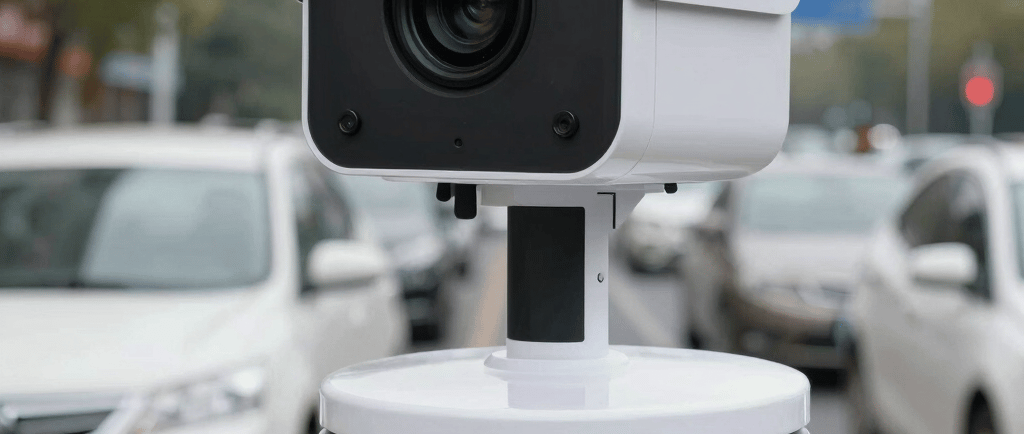
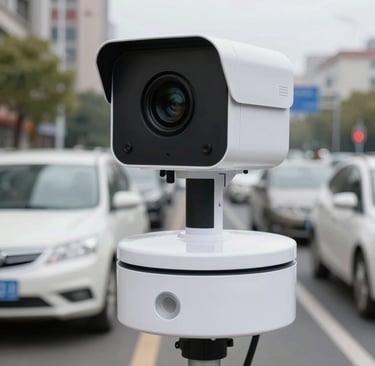
AI camera license plate recognition (LPR) technology represents a significant advancement in automated vehicle identification systems. At its core, this technology leverages artificial intelligence to accurately capture and interpret license plate information from vehicles in real time. The primary purpose of AI camera LPR is to facilitate a variety of applications, predominantly in traffic management, law enforcement, and parking systems.
The operational framework of LPR involves the deployment of high-resolution cameras equipped with sophisticated image processing software. These cameras are strategically positioned at critical points such as traffic intersections, parking lots, and entry or exit gates of secured areas. When a vehicle passes within the field of view of the camera, it captures a series of images, which are then analyzed using optical character recognition (OCR) algorithms designed specifically for vehicles' license plate formats.
Once the system identifies the license plate, the information—often including the plate number, state of registration, and timestamp—is recorded and can be cross-referenced against databases for various purposes. In law enforcement, for example, this can aid in tracking stolen vehicles or monitoring compliance with toll and parking regulations. In traffic management, LPR helps in monitoring vehicle flow, collecting toll fees, and improving road safety. Furthermore, parking management systems utilize this technology to streamline operations, ensuring an efficient identification process for vehicles entering and exiting urban environments.
The integration of AI in license plate recognition has vastly improved accuracy and efficiency, minimizing human error and speeding up the identification process. With ongoing advancements, AI camera LPR continues to evolve, providing enhanced solutions to modern challenges in transportation and security.
How AI License Plate Recognition Works
AI License Plate Recognition (LPR) operates through a series of sophisticated processes, combining advanced imaging techniques with algorithm-driven analysis. The first stage involves image capture, wherein high-definition cameras are strategically positioned to monitor vehicles as they enter or exit designated areas. These cameras can operate under varying environmental conditions, capturing clear images of license plates in different angles and lighting scenarios.
Once an image is captured, the next step entails preprocessing, which includes image enhancement to improve the clarity of text and numerals on the license plate. This preprocessing may involve adjusting the brightness, contrast, and applying filters to mitigate any obstructions like dirt or reflections. At this stage, algorithms designed for edge detection are employed to identify the boundaries of the license plate within the image. This sets the foundation for the subsequent stages of recognition.
The core of AI LPR utilizes optical character recognition (OCR) technology, where machine learning algorithms analyze the extracted image data. These algorithms are trained on vast datasets of license plate images, allowing them to learn the unique characteristics of different fonts, colors, and layouts associated with license plates across various regions. Machine learning techniques continuously improve recognition accuracy by adapting to new data and evolving conditions. Consequently, even slight variations in character appearance can be successfully interpreted.
Furthermore, the integration of deep learning models enhances the LPR's accuracy and efficiency. These models can identify contextual information such as vehicle make and model, which could assist in various applications, ranging from parking management to law enforcement. Overall, the seamless operation of AI cameras and their underlying technologies lays the groundwork for reliable and effective license plate recognition systems.
Applications of AI Camera License Plate Recognition
AI camera license plate recognition technology has revolutionized various sectors by providing efficient, reliable, and automated methods for identifying vehicles. One of the most prominent applications is within the framework of smart cities. Here, AI-powered cameras monitor traffic flow, streamline transportation systems, and enhance urban planning by providing real-time data on vehicle movements and congestion patterns. This integration fosters smarter resource allocation and improves overall city management.
In toll collection systems, AI camera license plate recognition plays a crucial role by enabling automated toll booths. As vehicles approach, cameras capture license plate images, automatically charging the corresponding vehicle owners without the need for physical toll payments or stopping at booths. This functionality reduces congestion at toll plazas, improves travel times, and enhances user convenience, making it a preferred solution in many regions worldwide.
Moreover, security surveillance has greatly benefitted from this advanced technology. AI cameras equipped with license plate recognition capabilities are deployed in public and private spaces to enhance security measures. They can identify vehicles associated with criminal activities or monitor access to secured areas. This use of license plate recognition technology has made surveillance more proactive, offering law enforcement and security personnel the tools needed to respond quickly to potential threats.
Additionally, automated parking solutions have emerged as another significant application. AI camera systems assist in efficiently managing parking resources by focusing on license plate recognition to track available spaces and facilitate seamless parking experiences. Users can reserve spaces in advance or quickly locate open parking spots, helping to minimize the time spent searching for parking, thereby reducing traffic congestion.
Overall, the applications of AI camera license plate recognition span various domains, significantly contributing to smarter urban environments and enhanced operational efficiency across multiple sectors.
Benefits of AI License Plate Recognition Systems
Artificial Intelligence (AI) has significantly transformed various sectors, one of which is license plate recognition technology. The implementation of AI-based license plate recognition (ALPR) systems offers a multitude of advantages that enhance operational efficiency and accuracy. First and foremost, ALPR systems automate the process of capturing and analyzing license plates, which drastically improves efficiency. Traditional methods of manual recording are not only time-consuming but also prone to human error, whereas AI technology can process large volumes of data within a fraction of the time.
Moreover, enhanced accuracy is another salient feature of AI license plate recognition systems. Utilizing advanced algorithms and machine learning, these systems can read and interpret license plates with remarkable precision. The likelihood of misreading or misidentifying a plate is substantially reduced, which contributes to higher reliability in law enforcement and parking management scenarios.
Cost savings associated with AI license plate recognition systems cannot be overlooked. While the initial investment may be substantial, the long-term financial benefits include reduced labor costs, as fewer personnel are required for monitoring and recording plate data. Additionally, improved accuracy leads to fewer errors and disputes, thus decreasing potential costs related to mismanagement or incorrect data usage.
Real-time data analysis is yet another compelling benefit offered by ALPR technology. As the system captures data instantaneously, it enables swift decision-making based on current conditions. This capability is invaluable for various applications, from traffic monitoring to public safety initiatives, allowing authorities to respond efficiently to incidents as they occur.
Incorporating AI into license plate recognition facilities not only modernizes infrastructure but also significantly enhances operational capabilities. The advantages extend well beyond simple data collection, positioning organizations to leverage technology for improved service delivery in an evolving digital landscape.
Challenges and Limitations
AI camera license plate recognition systems present several challenges and limitations that must be carefully considered. One significant issue is related to privacy concerns. The deployment of these systems can lead to widespread surveillance, raising ethical questions about individual rights to privacy. As the technology collects vast amounts of data, including location and time of vehicle travel, it may infringe upon personal liberties if not managed properly. Regulatory frameworks and guidelines are essential to ensure that data capture is conducted transparently and fairly.
Data security is another critical challenge. The stored information on license plates can be vulnerable to hacking and unauthorized access. This risk increases as organizations integrate AI systems into broader data ecosystems, making it crucial to implement robust security measures. Encryption, access controls, and regular audits can help safeguard sensitive information from potential breaches.
Additionally, environmental factors can significantly impact the accuracy of AI camera license plate recognition systems. Poor lighting conditions, inclement weather, and obstructed views can lead to errors in identification. For instance, during heavy rain or snow, the readability of license plates can diminish, resulting in misidentification or failure to capture the plate entirely. Moreover, varying plate designs in different regions can complicate recognition processes. These challenges necessitate continuous advancements in AI algorithms and camera technology to enhance reliability.
Furthermore, the potential for misidentification poses significant legal and operational risks. Incorrect readings can lead to wrongful citations or legal actions against innocent individuals, fostering distrust in the technology. As such, it is imperative to establish safeguards, including verification systems and appeal processes, to mitigate the adverse effects of inaccuracies in AI camera license plate recognition.
Future Trends in AI License Plate Recognition
The landscape of AI license plate recognition technology is poised to undergo significant transformation in the coming years, driven primarily by advancements in machine learning and computer vision. These developments are expected to enhance the accuracy and speed of license plate recognition systems, making them more reliable for real-time applications such as traffic management, law enforcement, and automated parking solutions.
One of the prominent trends is the integration of AI license plate recognition with other smart technologies. This convergence allows for the creation of comprehensive smart city ecosystems where license plate recognition is seamlessly linked with traffic cameras, IoT devices, and cloud computing systems. Such integration not only increases operational efficiency but also enables more sophisticated data analytics capabilities, allowing municipalities to make informed decisions regarding urban planning and traffic flow management.
Moreover, the growing ubiquity of connected vehicles and smart infrastructure will likely propel advancements in AI license plate recognition. As vehicle-to-everything (V2X) communication becomes more prevalent, license plate recognition systems may evolve to provide enhanced features such as automatic toll collection, parking fee management, and real-time identification of vehicles under surveillance. This evolution could lead to greater convenience for consumers and improved regulatory compliance for organizations leveraging these technologies.
However, the rapid advancement of AI license plate recognition technology does not come without its challenges. Regulatory frameworks concerning privacy and data protection are expected to evolve as stakeholders seek to balance the benefits of enhanced surveillance with citizens' rights to privacy. Policymakers and technology developers will need to collaborate closely to ensure that the deployment of AI license plate recognition systems is ethical and transparent, establishing guidelines that safeguard personal information while promoting technological innovation.
Conclusion and Key Takeaways
AI camera license plate recognition has emerged as a significant technology that plays a vital role in various sectors, including law enforcement, parking management, and traffic monitoring. The capability of AI to accurately read and interpret license plates in real-time offers immense potential to improve efficiency and enhance security measures in urban environments.
The advancements in artificial intelligence have contributed to the increased precision of camera systems, enabling them to function effectively in diverse conditions, such as varying light levels and complex backgrounds. This adaptability ensures that the technology remains reliable under different scenarios, making it valuable for applications across the board.
Moreover, the integration of AI camera systems with existing infrastructure suggests a promising future for smart cities, where automated systems can help manage resources better. These systems not only assist in tracking vehicles but also contribute to the development of data-driven solutions that optimize traffic flows and enhance overall public safety.
Despite the numerous advantages of AI camera license plate recognition, it is crucial to address privacy concerns. As these systems proliferate, it becomes imperative to establish regulations and guidelines that protect individuals' rights while still harnessing the benefits of this technology. Without proper oversight, the very mechanisms that enhance security might inadvertently infringe on personal privacy.
In conclusion, AI camera license plate recognition is reshaping the landscape of modern technology and society. Its effectiveness, coupled with the potential to drive future advancements in urban planning and security, underscores the importance of thoughtful integration and regulation. As we move forward, balancing the benefits with ethical considerations will be essential to fully realize the advantages that this innovative technology has to offer.