The Ultimate Guide to AI Cameras for Home Security
AI Expert Editorial Team
4/8/20268 min read
Understanding AI Cameras: What They Are and How They Work
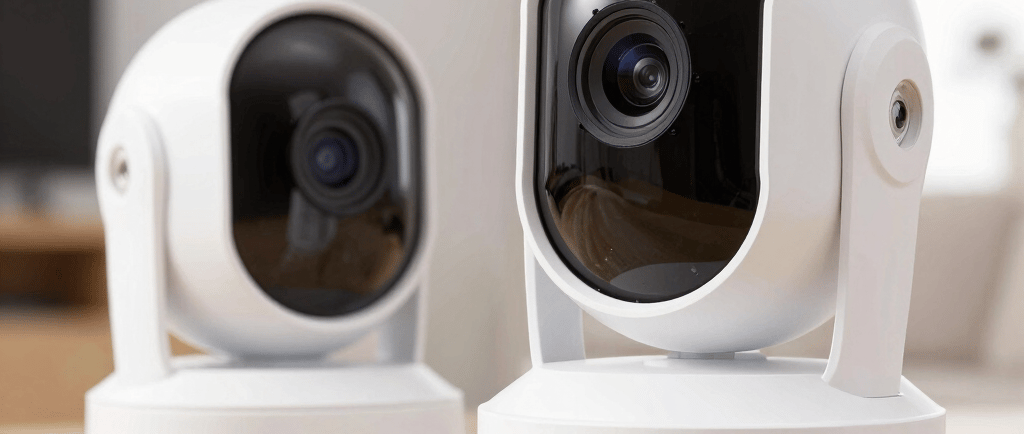
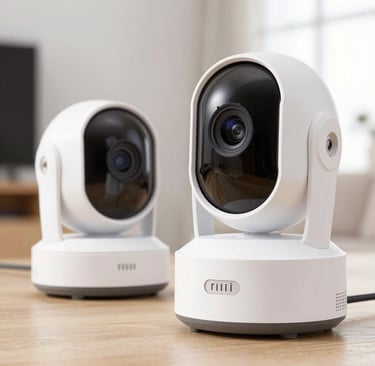
Artificial intelligence (AI) cameras represent a significant evolution in the field of home security, distinguishing themselves from traditional cameras through advanced technological capabilities. While conventional cameras primarily function by recording video footage, AI cameras incorporate sophisticated algorithms that enable them to analyze visual information in real-time. This enhancement greatly improves their ability to discern between routine activity and potential threats, thus refining their effectiveness in security applications.
At the core of AI camera technology lies image recognition. This feature allows the camera to identify and differentiate between various objects, such as people, pets, and vehicles. By leveraging machine learning, AI cameras continually improve their recognition capabilities. Over time, they become adept at understanding specific patterns of behavior, making them more reliable in alerting homeowners to irregular occurrences. Furthermore, the technology behind motion detection in AI cameras is more nuanced than in their traditional counterparts. Instead of merely registering movement, these cameras can assess the context of that movement, providing more insightful notifications and reducing false alarms.
Moreover, AI cameras are often integrated into broader home security systems, creating a cohesive network that enhances overall safety. Many AI systems enable connectivity with mobile devices, allowing users to receive live updates or alerts directly to their smartphones. Furthermore, data analysis capabilities empower these cameras to generate meaningful insights, such as identifying frequent visitors or noting unusual times of activity. Through intelligent analysis, homeowners can make informed decisions about their security measures and adapt proactively to changing circumstances, ensuring a higher level of protection.
Key Features to Look for in AI Cameras
When selecting an AI camera for home security, understanding its key features is vital for ensuring that you make an informed choice. One of the primary aspects to evaluate is the lens quality, which can significantly influence image clarity and detail. High-quality lenses offer better focus and reduce distortion, allowing for accurate monitoring of your property.
Another essential feature is camera resolution. Cameras with higher resolution—measured in megapixels—provide clearer images and allow for better identification of faces or license plates. For optimal security, a resolution of at least 1080p is recommended, with some high-end models offering up to 4K resolution.
Night vision capabilities should also be a critical consideration. Effective night vision allows AI cameras to capture clear footage in low-light conditions, ensuring that your home is monitored effectively, regardless of the hour. Look for cameras that use infrared (IR) technology or color night vision for enhanced performance in darkness.
Smart motion detection is another significant feature that can greatly enhance the functionality of AI cameras. These systems are capable of distinguishing between humans, animals, and objects, minimizing false alarms while ensuring timely alerts for unusual activities. Some models incorporate AI algorithms that learn your environment and adapt detection settings accordingly.
Moreover, two-way audio is a valuable addition for interactive monitoring. This feature allows homeowners to communicate through the camera, which can deter potential intruders and foster a sense of security.
Finally, integration with smart home systems is essential. AI cameras should seamlessly connect with other smart devices in your home, allowing for automated responses and centralized control via apps. This capability enhances overall security management, making it easier for homeowners to monitor their spaces effectively.
Benefits of Using AI Cameras for Home Security
AI cameras offer a multitude of advantages for home security, redefining how families protect their homes. The first notable benefit is enhanced monitoring capabilities. Unlike traditional security cameras, AI cameras utilize advanced algorithms and machine learning technology to analyze footage in real time. This allows them to distinguish between normal activity, such as pets moving around, and potential threats, significantly reducing instances of false alarms.
In addition to improved accuracy, AI cameras provide real-time notifications to homeowners. When a suspicious event is detected, these cameras can send instant alerts directly to smartphones or other devices. This immediate notification system empowers homeowners to respond swiftly, which is crucial for thwarting potential security breaches.
Another significant advantage of AI cameras is the improved connection to emergency services. Many AI-driven security solutions integrate seamlessly with local law enforcement or security systems. In the event of an alarm, this technology can automatically notify the authorities, ensuring a rapid response and providing peace of mind for homeowners.
The convenience of remote access cannot be overlooked either. Most AI cameras come with user-friendly mobile applications, enabling homeowners to monitor their property from anywhere in the world. With features such as live streaming, two-way communication, and cloud storage, users can maintain a vigilant watch over their homes, regardless of their physical location.
Overall, the importance of keeping homes and families safe is paramount. AI cameras provide a robust security solution that not only enhances monitoring but also streamlines emergency response and accessibility. As technology evolves, these cameras are becoming an essential component of modern home security systems.
Top AI Cameras for Home Security in 2023
In the rapidly evolving landscape of home security, AI cameras have emerged as a crucial element for safeguarding properties. As of 2023, several standout options cater to varying budgets, preferences, and security needs. Below is a curated list of some of the best AI cameras available this year.
1. Nest Cam IQ Indoor
This indoor camera features a 1080p resolution and intelligent alerts, making it ideal for monitoring activity in your home. The camera includes built-in Google Assistant and can distinguish between people and pets. Pros include seamless integration with other smart home devices and powerful night vision. However, its price point, around $299, can be a disadvantage for cost-conscious consumers.
2. Arlo Pro 4
The Arlo Pro 4 is a versatile outdoor camera, offering stunning 2K video quality and color night vision. Its solar panel accessory provides a hassle-free option without worrying about battery changes. Priced around $199, it offers flexibility with wired or wireless setups. Some users report initial setup challenges, which could be daunting for those less tech-savvy.
3. Ring Spotlight Cam
This camera is designed with security in mind, featuring built-in spotlights, a siren, and 1080p video resolution. The Ring app enhances control, allowing for two-way communication and motion alerts. Costing about $199, it is a middle-ground choice, albeit with a subscription fee for advanced features.
4. Blink Outdoor
Perfect for budget-conscious customers, the Blink Outdoor camera, priced at approximately $99, offers a respectable 1080p video feed and a long battery life. Installation is straightforward, although the range of features is limited compared to more expensive models.
In conclusion, selecting the right AI camera for home security in 2023 hinges on understanding personal security needs, preferences, and budget constraints. Each of the listed options brings unique features that enhance home safety and peace of mind.
Installation and Setup Tips for AI Cameras
Installing and setting up AI cameras for home security can significantly enhance your safety and provide peace of mind. To begin, selecting the right locations for installation is crucial. Ideally, place the cameras at entry points such as doors and windows that are frequently used, as well as in areas with high foot traffic. It is advisable to mount them at a height of 8-10 feet to avoid tampering while ensuring a clear view of the surroundings.
Once you have identified the optimal locations, the next step involves connecting the camera to your Wi-Fi network. Make sure your Wi-Fi signal is strong in the areas the cameras will be installed. Most AI cameras come with a mobile application that guides you through the setup process. Ensure that your smartphone is connected to the same Wi-Fi network that the camera will use. Follow the instructions provided by the app to successfully connect the camera and test the stream to confirm functionality.
After establishing a connection, configuring your privacy settings is essential. Many users overlook this step; however, it is crucial for safeguarding personal information. Make sure to adjust settings regarding the camera's recording duration, notification preferences, and sensitive areas where recording should be disabled. Understanding the various features of your AI camera will help you maximize its effectiveness. Features such as motion detection, night vision, and two-way audio can significantly impact your surveillance capabilities.
During installation and setup, you may encounter common issues such as connectivity problems or unstable video feeds. If your camera fails to connect, double-check your Wi-Fi credentials and proximity to the router. For unstable feeds, consider repositioning your camera for better line of sight or using a Wi-Fi extender to boost the signal strength. Proper installation and diligent configuration will ensure your AI cameras provide reliable surveillance for your home.
Integrating AI Cameras with Smart Home Devices
Integrating AI cameras with smart home devices can significantly enhance the overall security of your living space. An effective home security system benefits from the synergy created by combining advanced AI surveillance with other smart technologies, like smart doorbells, locks, and lighting systems. By interconnecting these devices, homeowners can create a cohesive smart home ecosystem that not only monitors but also reacts intelligently to various situations.
For instance, an AI camera can detect unusual activity outside the home and automatically trigger smart doorbells to issue alerts, allowing residents to see who is on their doorstep in real time. Additionally, integration with smart locks can enable remote locking or unlocking, adding another layer of convenience and security. The AI camera's ability to analyze video feeds and ascertain potential threats can empower homeowners to respond proactively rather than reactively.
This integration of systems also paves the way for the automation of alerts and responses. A homeowner can configure their AI cameras to send notifications to their smartphones when unusual movement is detected. These alerts can include not just the footage captured by the AI camera, but also prompt smart lighting to activate, illuminating the area and potentially deterring intruders. This kind of automated environment signifies a step forward in the smart home arena, where seamless coordination between devices provides homeowners peace of mind.
Furthermore, the ability to control AI cameras in conjunction with other smart devices through a central hub or app enhances usability. Many systems allow users to view camera feeds alongside their other smart home functionalities, streamlining security management and increasing the likelihood of prompt action in emergencies. In summary, integrating AI cameras with smart home devices is not just about having multiple gadgets; it is about creating a unified system that enhances security and improves the overall home experience.
Privacy Concerns and Best Practices for Using AI Cameras
The integration of AI cameras into home security systems has significantly enhanced the efficiency and response times of surveillance, yet it also raises important privacy concerns. Homeowners must be vigilant regarding the potential risks associated with these advanced surveillance technologies, which include unauthorized access to personal data and the potential misuse of recorded footage.
To mitigate these risks, it is essential to implement best practices that protect personal information while maintaining an effective security system. One fundamental approach is to ensure robust password protection on all devices. This includes changing default passwords, which are often easily accessible to potential intruders, and utilizing strong, unique passwords for every camera and associated account.
Another critical aspect is to regularly update the firmware of AI cameras. Manufacturers often release updates to close security vulnerabilities that could be exploited. Homeowners should schedule periodic checks to ensure their devices are running the latest software.
Additionally, it is crucial to be aware of the legal considerations surrounding the use of surveillance technology. Different regions have varied regulations regarding video monitoring, especially concerning recording areas where privacy is expected, such as neighbors’ yards or public spaces. Familiarizing oneself with local laws regarding surveillance can help avoid potential legal repercussions.
Furthermore, when configuring AI cameras, homeowners should utilize privacy zones where feasible. This setting allows users to block out areas from being monitored, ensuring that conversations and actions occurring in private spaces remain confidential.
In conclusion, while AI cameras offer notable benefits in home security, they come with privacy risks that need careful management. By following the aforementioned practices, homeowners can effectively secure their premises while respecting personal privacy and adhering to legal guidelines.