The Rise of Wireless AI Security Cameras: Enhancing Safety with Technology
AI Expert Editorial Team
4/8/20268 min read
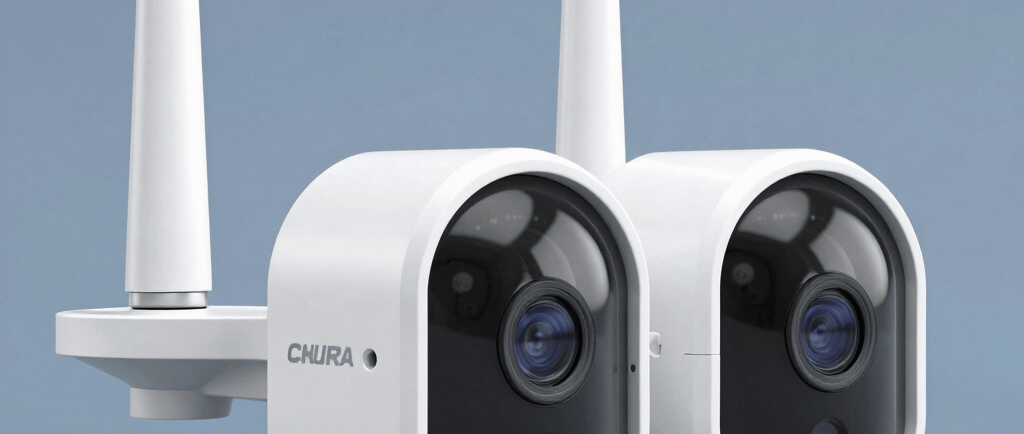
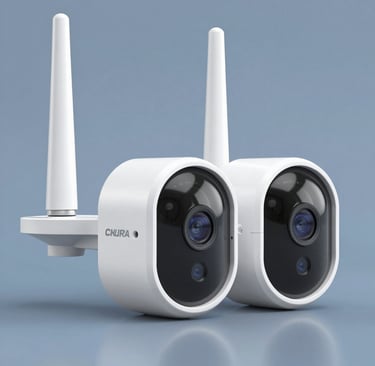
Introduction to Wireless AI Security Cameras
Wireless AI security cameras represent a significant advancement in the realm of surveillance technology, offering enhanced monitoring capabilities compared to traditional security cameras. Unlike their hardwired counterparts, these devices utilize wireless connectivity, allowing for easy installation and flexibility in placement. This technological evolution is primarily driven by artificial intelligence, which empowers these security systems to process and analyze data in real-time, thereby enhancing their overall effectiveness.
At the core of wireless AI security cameras is the renowned capability of artificial intelligence to distinguish between human and non-human movements. This smart detection minimizes false alarms caused by animals or environmental factors, a common issue with conventional surveillance systems. In addition to motion detection, many models come equipped with advanced features such as facial recognition, allowing users to easily differentiate between familiar faces and potential intruders. This technology not only improves security but also provides users with valuable data regarding occupancy and activity patterns.
The wireless aspect of these cameras enables effortless linking to home or business networks, ensuring that users can access live feeds and recorded footage from anywhere via smartphones or connected devices. This level of accessibility enhances the user's ability to monitor their premises in real-time, delivering peace of mind regardless of physical location. Furthermore, wireless AI security cameras typically incorporate cloud storage options, ensuring that footage is securely stored and easily retrievable in case of incidents.
Overall, the synergy between wireless technology and artificial intelligence in security cameras enhances safety measures significantly. As the demand for reliable and intelligent security solutions grows, wireless AI security cameras are set to play a crucial role in redefining the standards of surveillance, providing users with high-tech solutions tailored to their safety needs.
Key Features of Wireless AI Security Cameras
Wireless AI security cameras are increasingly becoming a pivotal element in the realm of home and business security. One of the primary features that set these cameras apart is their high-definition video quality. Enhanced resolutions, often reaching up to 4K, allow users to capture clear, detailed footage that aids in identifying individuals or suspicious activities. Such clarity is instrumental not only for monitoring but also for capturing critical evidence, should the need arise.
Another significant feature is advanced motion detection capabilities. Wireless AI cameras employ sophisticated algorithms to differentiate between normal activity and potential threats. This functionality minimizes false alarms, notifying users only when actual movement is detected within the designated area. Coupled with this is the addition of facial recognition technology, which further improves security by allowing the system to identify familiar faces and alert users of any unfamiliar individuals approaching the premises.
Moreover, two-way audio integration offers an added layer of interaction. This feature enables communication between the user and visitors or intruders, thus facilitating quick responses in various situations. For instance, homeowners can speak to delivery personnel without having to open their doors, enhancing both convenience and safety.
Cloud storage options present users with a choice for data preservation and access. Rather than depending solely on local storage, such as SD cards, many wireless AI cameras allow recordings to be automatically saved to the cloud. This ensures that footage is not lost even if the camera is tampered with or physical media is damaged.
Finally, mobile app integration stands as a cornerstone in modern surveillance technology. It allows users to access live feeds, receive notifications, and review recordings from their devices, enhancing the practicality and effectiveness of wireless AI security systems. Overall, the combination of these advanced features greatly contributes to the peace of mind that users expect from their security solutions.
Benefits of Using Wireless AI Security Cameras
Wireless AI security cameras have become increasingly popular among both residential and commercial users due to their numerous advantages. One of the primary benefits is enhanced security. These cameras utilize advanced artificial intelligence technology to recognize and distinguish between regular movements, such as pets or family members, and suspicious activities that may signal an intruder. This capability allows users to receive real-time alerts and take immediate action when necessary.
Another significant advantage is the ease of installation. Unlike traditional wired cameras that often require extensive cabling and infrastructure modifications, wireless AI security cameras can be set up quickly and efficiently. This simplified installation process not only saves time but also reduces labor costs, making it a more appealing option for consumers.
Cost-effectiveness is another crucial benefit of adopting wireless AI security cameras. Many models on the market offer competitive pricing, while their advanced features may reduce insurance premiums for homeowners and businesses alike. Furthermore, wireless cameras typically require less maintenance than their wired counterparts, as they are less susceptible to wear and potential damage caused by installation or environmental factors.
Additionally, wireless AI security cameras provide users with the flexibility to monitor their properties in real-time from virtually any location worldwide. Users can access live feeds through mobile applications or web platforms, allowing them to keep an eye on their homes or businesses at all times. This remote monitoring capability not only promotes peace of mind but also empowers users to respond quickly to security concerns, enhancing overall safety.
How Wireless AI Security Cameras Work
Wireless AI security cameras are sophisticated devices designed to enhance home and business security using advanced technology. These cameras begin their function by capturing video footage through high-resolution lenses. The initial step involves the internal camera sensor converting light into digital signals, which are then processed to create a clear video stream.
Once the video is captured, data transmission occurs over Wi-Fi networks. This wireless capability allows for the camera to be installed in various locations without the need for extensive cabling. The data is transmitted to either a cloud service or a local storage device, ensuring that footage can be accessed conveniently and securely from anywhere.
Artificial Intelligence (AI) plays a pivotal role in the functionality of these cameras. Through machine learning algorithms, the cameras can analyze the video feed in real time to detect specific actions or movements that could indicate unusual activities. For example, AI can differentiate between a familiar pet and an intruder, significantly reducing false alarms. When an anomaly is detected, the camera can send instant alerts to the user, enabling prompt responses to potential security breaches.
Furthermore, modern wireless AI security cameras allow users to access live streams or recorded footage remotely through mobile applications or web interfaces. This user-friendly feature empowers homeowners and business managers to monitor their properties in real time, ensuring improved safety and peace of mind. With the advancement of technology, wireless AI security cameras represent a powerful tool in the fight against crime, offering comprehensive surveillance solutions that are easily integrated into daily life.
Comparing Wireless AI Security Cameras with Traditional Systems
The security camera market has evolved significantly, particularly with the introduction of wireless AI security cameras. These advanced systems offer various benefits when compared to traditional wired systems. One of the most notable advantages is the ease of setup. Wireless AI cameras can be installed without the need for complex wiring, which eliminates the requirement for professional installation in many cases. This feature is especially appealing to homeowners or businesses looking for a quick and efficient solution to enhance security.
Flexibility is another critical aspect where wireless AI cameras outshine traditional systems. As they are not tethered by wires, these cameras can be placed virtually anywhere within the range of a Wi-Fi signal. This allows users to adapt their security system according to changing needs or environments, something that is much more challenging with wired systems which often require significant alterations to reposition.
When considering installation costs, wireless AI cameras typically incur lower initial expenses due to reduced labor costs for installation. However, it is important to note that pricing can vary based on features and brand. In contrast, while traditional systems might be initially cheaper, they often accrue additional costs over time due to wiring and potential professional installation services.
Maintenance requirements also differ between these systems. Wireless AI security cameras often come with built-in AI features such as motion detection and alerting systems, which can reduce the frequency of human oversight and thus lessen maintenance needs. Traditional systems may require more consistent manual monitoring and maintenance to ensure proper functionality.
Furthermore, the advancements in AI technology provide features that traditional systems may lack. For instance, wireless AI cameras can analyze and distinguish between normal activity and potential threats, offering a significant enhancement in security alerting. This technological edge makes wireless AI cameras a compelling choice for modern security solutions.
Considerations Before Purchasing Wireless AI Security Cameras
As consumers navigate the growing market of wireless AI security cameras, several key factors should be considered to ensure an informed purchase. One of the foremost aspects is camera resolution. A higher resolution translates to clear images and enhanced detail, thus enabling better identification of individuals or incidents. Today’s models often range from standard definition to high definition (HD), with many offering 1080p and even 4K resolution. When selecting a model, buyers should assess their specific needs based on the areas being monitored.
Another critical consideration is battery life. Wireless cameras, while offering convenience in installation and flexibility, often rely on battery power, which can necessitate regular recharging or battery replacement. Buyers should look for models with long-lasting batteries or those that can remain powered via a constant power source. This will minimize maintenance while maximizing the security functionality of the device.
Range of motion detection is also vital. Many wireless AI security cameras utilize advanced motion detection technologies that can differentiate between various types of movement, reducing unnecessary alerts. Interested buyers should evaluate the detection range and sensitivity options, ensuring that the camera meets their security requirements.
Compatibility with smart home devices and integration capabilities should not be overlooked. Many wireless AI security cameras can connect to existing smart home ecosystems, enhancing their functionality. Users should check if the device works seamlessly with their preferred smart home platforms.
Lastly, pricing should always be a factor in the decision-making process. While affordability is essential, potential buyers should weigh cost against features offered, such as cloud storage options and subscription services, to ensure they receive value for their investment.
Future Trends in Wireless AI Security Cameras
The landscape of wireless AI security cameras is continuously evolving, driven by rapid advancements in artificial intelligence and related technologies. These innovations are not only enhancing the functionality of security cameras but also significantly improving user experience and safety. One notable trend is the development of more sophisticated algorithms that allow for real-time threat detection. With the incorporation of machine learning, cameras are becoming adept at distinguishing between routine activity and potential security breaches, thus minimizing false alarms and increasing reliability.
As the importance of cybersecurity grows, manufacturers are prioritizing the integration of advanced encryption techniques and security protocols in wireless AI security cameras. This is essential to protect users' data and privacy against potential cyber threats. Enhanced authentication methods, such as biometric sensors and two-factor authentication, are expected to feature prominently in next-generation models, ensuring that only authorized personnel can access the system.
Moreover, the integration of wireless AI security cameras with other smart home technologies and the Internet of Things (IoT) is anticipated to become a dominant trend. Seamless connectivity with devices such as smart locks, alarms, and lighting systems will provide homeowners with a comprehensive security solution that can respond to various security scenarios in real-time. For example, a security camera detecting unusual activity could automatically adjust smart lighting to deter potential intruders or send instant alerts to homeowners, enabling prompt action.
Another anticipated trend is the increased accessibility and affordability of these advanced security systems. As manufacturers streamline production processes and leverage economies of scale, wireless AI security cameras are likely to become more budget-friendly, encouraging wider adoption among consumers and businesses alike.
In conclusion, the future of wireless AI security cameras is promising, with advancements in AI technology, enhanced cybersecurity measures, and integration with smart home devices poised to redefine the standards of safety and security in residential and commercial environments.