The Rise of AI Surveillance Cameras: Revolutionizing Security and Privacy
AI Expert Editorial Team
4/7/20267 min read
Introduction to AI Surveillance Cameras
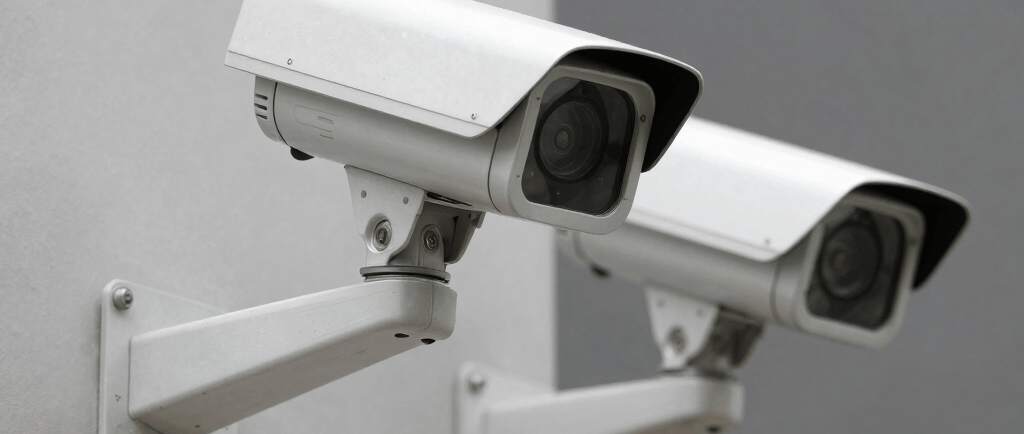
AI surveillance cameras represent a significant advancement in security technology, offering enhanced capabilities over traditional surveillance systems. These cameras utilize artificial intelligence algorithms to process video feeds in real-time, resulting in intelligent monitoring and quick responses to potential threats. Their increasing popularity can be attributed to their unique features and superior functionality, which differentiate them from conventional surveillance systems.
One of the cornerstone features of AI surveillance cameras is facial recognition technology. This capability enables them to identify and categorize individuals based on their facial features. By comparing live footage against a database of known individuals, these cameras can efficiently track people, helping to improve security in various settings, such as public spaces, airports, and private properties.
Motion detection is another significant function provided by AI surveillance systems. Unlike traditional cameras that rely on fixed motion detection methods, AI-driven models analyze movement patterns to discern between ordinary activities and potentially suspicious behavior. This means that instead of recording every movement, AI surveillance cameras can filter out irrelevant footage, reducing storage needs and making it easier to review significant activities.
Furthermore, behavioral analysis enables AI surveillance cameras to learn and adapt to normal activities within their environment. By gathering data over time, these cameras can recognize when behaviors deviate from the norm, triggering alerts for security personnel. Such capability helps in preemptively identifying security threats and ensures a robust security monitoring system.
In recent years, the rise of AI surveillance cameras has been fueled by advancements in deep learning, as well as increasing concerns for safety and crime prevention. Businesses, governments, and homeowners alike are investing in these innovative systems, leading to a transformation in how security is perceived and managed in today’s society.
How AI Surveillance Cameras Work
AI surveillance cameras incorporate advanced technologies that enhance their functionality, primarily driven by machine learning algorithms and sophisticated image processing techniques. These cameras are equipped with sensors that capture high-resolution images and videos, which are then processed using algorithms designed to identify patterns and detect unusual activities in real-time.
At the core of AI surveillance is the use of machine learning, a subset of artificial intelligence that allows systems to learn from data inputs and improve their performance over time. These algorithms are trained on extensive datasets, allowing them to recognize faces, objects, and even specific behaviors. When a camera is installed, it commences the data collection process by continuously monitoring the environment, generating extensive footage. This data is analyzed using complex algorithms tailored for tasks such as motion detection, anomaly detection, and facial recognition.
In addition to on-device processing, many AI surveillance systems leverage cloud computing to enhance their capacity for data storage and analysis. Cloud computing allows for vast amounts of data to be stored remotely, providing scalability and accessibility. This means that footage can be accessed and analyzed from multiple devices and locations, facilitating swift decision-making. Cloud-based analysis also enables the integration of more sophisticated AI models that can further refine surveillance insights.
The real-time processing capabilities of these AI surveillance systems improve security monitoring, as any anomalies detected can trigger alerts to security personnel or the concerned users. The integration of these technologies not only streamlines monitoring processes but also ensures a more proactive approach to security management. Thus, AI surveillance cameras offer a robust solution for enhancing security measures, even as they raise discussions regarding privacy considerations.
Applications of AI Surveillance Cameras
AI surveillance cameras are becoming indispensable across multiple sectors, proving their utility in enhancing security, safety, and operational efficiency. In public safety, cities are increasingly adopting AI surveillance systems to monitor high-traffic areas, identify potential threats, and respond promptly to incidents. For instance, cities like Chicago have implemented AI analytics within their existing network of cameras to assist law enforcement with real-time situational awareness, enabling quicker response times and improved crime-solving capabilities.
Retail environments are also leveraging AI surveillance cameras to combat theft and enhance customer experiences. These systems can analyze shopper behavior, tracking movement patterns and identifying areas of high interest. For example, leading retailers employ AI-enhanced cameras to gauge product engagement, allowing them to optimize store layouts and improve inventory management. Additionally, the ability to detect suspicious activities helps in reducing theft significantly, increasing overall store security.
In traffic management, AI surveillance cameras are employed to monitor flow patterns and manage congestion. By analyzing real-time data, these systems can adjust traffic signals to optimize vehicle movement, reducing wait times and improving overall traffic efficiency. Cities such as Los Angeles have adopted this technology, resulting in reduced traffic jams and lower emissions, contributing to an improved urban environment.
Finally, home security is evolving due to AI surveillance technology. Smart home cameras equipped with AI capabilities can distinguish between familiar faces and strangers, alerting homeowners to any unauthorized entries. This not only enhances personal security but also provides peace of mind. For instance, many homeowners now have AI-enabled doorbell cameras that notify them of visitors or package deliveries, which can deter criminal activity.
Benefits of AI Surveillance Cameras
AI surveillance cameras have emerged as a revolutionary tool in the realm of security, offering numerous benefits over traditional systems. One of the most significant advantages is their enhanced accuracy. AI algorithms are adept at distinguishing between human activity and non-threatening movements, drastically reducing false alarms. This not only saves time and resources but also allows security personnel to focus on genuine threats, thereby improving overall monitoring efficiency.
Moreover, AI surveillance systems have been shown to increase efficiency in various settings. Traditional cameras often require constant human oversight, which can be labor-intensive and prone to human error. In contrast, AI-enabled systems can autonomously analyze video feeds in real-time, identifying unusual patterns or behaviors, and alerting security teams when necessary. This automation leads to quicker responses to incidents, significantly enhancing on-site safety.
Cost-effectiveness is another notable benefit associated with AI surveillance cameras. While the initial investment may be higher than that of conventional systems, the long-term savings are substantial. Businesses and homeowners can realize lower operational costs by minimizing the need for extensive security personnel, coupled with reduced losses from theft or vandalism, indicating a clearer return on investment. Studies have suggested a decrease in crime rates by as much as 30% in areas equipped with advanced AI surveillance technology.
Furthermore, the enhanced monitoring capabilities of these systems cannot be overstated. AI cameras can integrate with other smart systems, such as alarms and access controls, providing a unified security solution. This interoperability allows for comprehensive surveillance management even in complex environments, improving safety across diverse scenarios. With the ability to analyze vast amounts of data and make informed decisions swiftly, AI surveillance cameras are transforming the landscape of public and private security.
Concerns and Limitations of AI Surveillance Cameras
The deployment of AI surveillance cameras has provoked a range of ethical concerns and highlighted various limitations. One of the primary issues revolves around privacy. Individuals are often subjected to constant monitoring without their consent, raising significant questions about the erosion of personal privacy rights. This predicament has sparked debates over the balance between security needs and the right to anonymity in public spaces.
Additionally, there is growing apprehension regarding the potential misuse of data captured by AI surveillance systems. The extensive collection of surveillance data can lead to unauthorized access and exploitation. Law enforcement agencies and private organizations may overreach in their use of this information, possibly resulting in discriminatory practices that target specific demographics unjustly.
Another significant concern is the inherent bias in AI algorithms. Existing evidence indicates that many AI frameworks may be influenced by the data on which they are trained, leading to skewed outcomes. Racial and gender biases embedded in these systems can contribute to wrongful profiling and unnecessary escalations in law enforcement actions. As a result, there are both ethical implications and potential consequences for community-police relations.
Furthermore, the implications of being under constant surveillance can have profound psychological effects on individuals. The feeling of being perpetually monitored might discourage citizens from exercising their freedom of speech and expression. This phenomenon, often referred to as the "chilling effect," poses a threat to democratic values and civil liberties.
In response to these challenges, there is a call for robust legislation and regulation governing the use of AI surveillance technologies. Policymakers are urged to develop comprehensive frameworks that not only accommodate the integration of new technologies but also safeguard individual rights and civil liberties. Striking this balance is essential to ensure that the advancements in surveillance do not come at the cost of essential ethical standards and societal norms.
Future Trends in AI Surveillance Technology
The landscape of AI surveillance technology is set to undergo significant transformation in the coming years. As the Internet of Things (IoT) continues to expand, the integration of AI surveillance cameras with smart devices will become increasingly common. This interconnectedness will enable devices to communicate in real-time, enhancing the ability to monitor environments more effectively. For example, AI surveillance systems may soon utilize IoT devices to gather data from multiple sources, allowing for more accurate threat detection and response.
Additionally, advancements in AI algorithms will lead to more sophisticated analysis capabilities. Machine learning and deep learning technologies are paving the way for AI surveillance cameras to not only detect unusual activities but also predict potential threats based on behavioral patterns. These predictive analytics could revolutionize security measures by enabling proactive responses to incidents rather than merely reactive ones.
The growing adoption rates of AI surveillance cameras by both commercial and residential users reflect a broader acceptance of these technologies. As businesses increasingly recognize the benefits of enhanced security measures, the implementation of AI surveillance systems will likely become a standard practice. This shift may also lead to developments in privacy frameworks and regulations, as the frequency of AI monitoring raises important questions about individual privacy rights.
Moreover, with innovations such as facial recognition and object detection becoming more refined, the ethical implications of surveillance technology are coming to the forefront. Individuals may find themselves grappling with the balance between security and privacy, prompting important dialogue about the role of AI surveillance in society. As technology evolves, society will need to reassess its views on surveillance, the rights of individuals, and the responsibilities of those who deploy these systems.
Conclusion: Balancing Security and Privacy
The advent of AI surveillance cameras marks a significant shift in the landscape of security technology. These advanced systems have the ability to enhance public safety, reduce crime rates, and improve overall security management. By using sophisticated algorithms and real-time data processing, AI surveillance can detect and respond to potential threats more efficiently than traditional methods. This capability not only benefits property owners and businesses but also contributes to a heightened sense of security in communities.
However, the integration of such powerful surveillance technology raises significant concerns about individual privacy. The capability of AI systems to analyze and store vast amounts of data can lead to potential misuse or abuse of information. As AI surveillance becomes more ubiquitous, the risk of infringing on personal privacy rights intensifies. This duality presents a pressing challenge: finding a suitable balance between enhancing security and safeguarding privacy.
As citizens, it is crucial to engage in thoughtful discussions about the implications of AI surveillance on our daily lives. Policymakers and technology developers must collaborate to establish clear regulations that protect privacy while also allowing for the benefits of advanced security measures. Individuals should reflect on their own views regarding privacy versus security, as this will shape the future of these technologies in our society.
In conclusion, while AI surveillance cameras undoubtedly revolutionize security measures, they also necessitate a careful consideration of privacy rights. As we navigate this evolving landscape, fostering a balance between improved safety and the protection of individual freedoms remains imperative for a harmonious coexistence in an increasingly monitored world.