The Rise of AI-Powered Cameras: Revolutionizing Photography
AI Expert Editorial Team
4/8/20268 min read
Introduction to AI-Powered Cameras
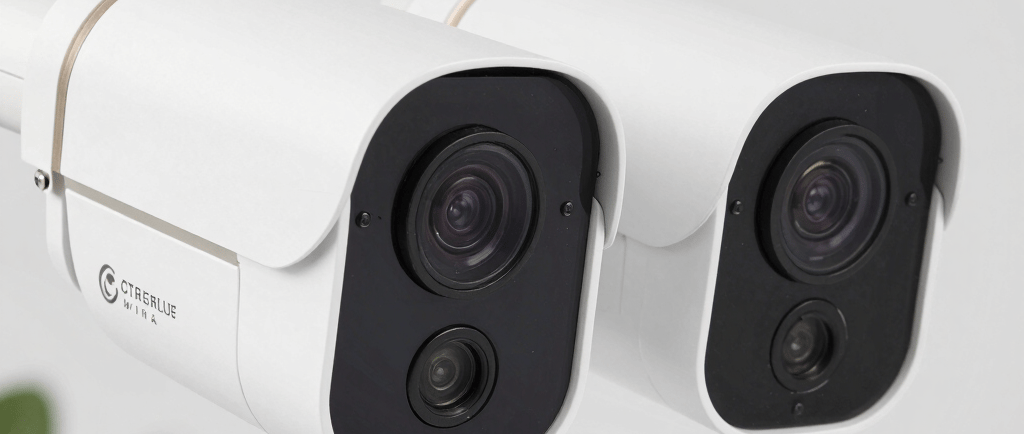
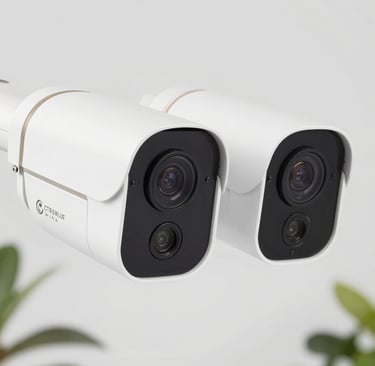
AI-powered cameras represent a significant advancement in the field of photography, utilizing artificial intelligence to enhance the way images are captured and processed. These innovative devices have evolved from traditional cameras into sophisticated tools that analyze and interpret the surrounding environment, automating various aspects of the photography process. The integration of AI technology allows these cameras to perform tasks such as scene recognition, subject tracking, and automatic adjustments in settings based on lighting conditions and the type of subject being photographed.
The concept of AI in photography is not entirely new; however, recent advancements have made these cameras more accessible and effective for both amateur and professional photographers. Early iterations focused primarily on improving image quality through various algorithms, but today’s AI-powered cameras go much further. They learn from user behavior and preferences, adapting controls to streamline the shooting experience. This intelligence can improve results without the need for extensive adjustments by the user, thereby democratizing high-quality photography.
Moreover, the application of machine learning in image processing has led to features such as enhanced auto-focusing capabilities and noise reduction in low-light conditions. These developments are reshaping the photography landscape by allowing users to achieve professional-grade results with minimal effort. With continuous improvements, AI-powered cameras are setting new standards for creativity, enabling photographers to explore new possibilities in visual storytelling.
As the technology matures, the implications for both professional photographers and hobbyists are profound, fostering an environment where creativity can flourish assisted by technology. Thus, the rise of AI-powered cameras signifies a pivotal moment in photography, paving the way for innovative techniques and artistic expressions that were once deemed unimaginable.
Key Features of AI-Powered Cameras
AI-powered cameras are distinguished from traditional models by their remarkable technological advancements that enhance the photography experience. One of the standout features is smart scene recognition. This capability allows cameras to automatically identify subjects and scenes, enabling them to adjust settings such as exposure and color balance to complement the captured image. For instance, whether photographing a bright sunset or a dimly lit indoor setting, the camera can optimize its parameters in real-time.
Another important feature is the automatic adjustments for lighting and focus. A traditional camera user would require a solid understanding of manual settings to achieve optimal results in varying lighting conditions. In contrast, AI-powered cameras utilize algorithms to detect the lights and shadows, automatically tweaking the aperture and shutter speed for the best possible shot. Additionally, autofocus systems are enhanced through AI, allowing for quicker and more precise focusing on subjects, even those that may be moving.
Moreover, enhanced image stabilization is a crucial aspect of AI technology in cameras. This feature significantly reduces the blurring that commonly occurs in handheld shots, especially during motion. AI integration utilizes data from multiple sensors to correct images and ensure less shakiness, thereby producing clearer photos. Lastly, intelligent subject tracking stands out as a game changer. By employing facial recognition and motion prediction algorithms, AI-powered cameras can track subjects seamlessly, maintaining focus as they move through the frame. This technology is particularly beneficial in capturing dynamic scenes, such as sports events or wildlife photography.
Benefits of Using AI in Photography
The integration of artificial intelligence into photography has ushered in a new era for both amateur and professional photographers. One of the primary benefits of AI-powered cameras is the enhancement of photographic skills through intelligent assistance. AI can analyze a scene and provide recommendations, enabling users to make informed decisions about composition, exposure, and focus. This capability is especially advantageous for novice photographers who may struggle with the technical aspects of capturing high-quality images.
Moreover, AI technology streamlines workflows significantly. With features such as automated subject tracking, scene recognition, and image optimization, photographers can spend less time on mundane tasks and focus on creativity. For instance, AI can automatically adjust settings based on ambient light conditions, ensuring that the perfect shot is captured under varying circumstances. This not only saves time but also increases the likelihood of capturing stunning images.
Additionally, the incorporation of AI in photography equips devices with smart editing features that enhance the post-production process. AI algorithms can analyze images to detect and suggest improvements, such as adjusting contrast, brightness, and color balance. This simplifies the editing process, allowing photographers to achieve professional-quality results without extensive post-processing skills.
From better focus in dynamic situations to improved low-light performance, AI empowers photographers to overcome common challenges. The predictive capabilities of AI systems even allow cameras to anticipate movements, ensuring that moving subjects are captured with clarity and precision. These advanced functionalities imbue users with confidence, fostering a more enjoyable photography experience.
Overall, the benefits of using AI in photography represent a significant step forward in the art form. By enhancing skills, streamlining workflows, and improving image quality, AI technology is changing how photographers capture and interact with their surroundings.
Popular AI-Powered Camera Models
As technology advances, a variety of AI-powered cameras have emerged on the market, enabling photographers to achieve stunning results with minimal effort. Several models stand out for their exceptional specifications, innovative features, and overall performance, making them popular choices among both amateur and professional photographers.
One of the leading models is the Canon EOS R5, which integrates AI technology for enhanced autofocus capabilities. With a 45-megapixel full-frame sensor, it offers outstanding image quality and performs remarkably well in low-light conditions. The AI-driven Dual Pixel CMOS AF system efficiently recognizes and tracks subjects, ensuring sharp images and smooth video capture, which has earned it rave reviews from users.
Another notable option is the Sony Alpha 7 IV. This full-frame mirrorless camera features robust AI processing for real-time object detection and advanced scene recognition. Users appreciate the enhanced performance in both still photography and videography, along with a commendable 33-megapixel resolution. Its dual-card slot and ergonomic design make it a favorite among professionals who require reliability and efficiency.
Equally impressive is the Fujifilm X-T4. This APS-C mirrorless camera combines the power of AI with Fujifilm's renowned color science. Its advanced autofocus system allows for quick face and eye detection, allowing users to capture portraits with remarkable detail. The X-T4 also excels in video performance, offering 4K recording and in-body stabilization, making it suitable for various shooting scenarios.
Lastly, the Nikon Z9 represents Nikon's foray into AI-powered technology, featuring a 45.7-megapixel stacked sensor and real-time tracking capabilities. This camera's robust build quality and fast processing speed appeal to wildlife and sports photographers, allowing for high-speed continuous shooting in challenging conditions.
In summary, the rise of AI-powered cameras has introduced an array of sophisticated models that cater to diverse needs of photographers. Each model discussed not only incorporates advanced AI features but also brings its unique advantages, guiding users in selecting the perfect device suited to their preferences.
The Role of AI in Video Recording
AI technology has made significant strides in revolutionizing the field of video recording, enhancing both the quality and efficiency of multimedia production. One of the most notable advancements is the implementation of real-time scene recognition, which allows AI-powered cameras to analyze the environment and automatically adjust settings such as exposure, focus, and color balance. This capability not only facilitates a smoother filming experience, but it also helps individuals capture stunning footage that might have otherwise been challenging to achieve, particularly for those with limited experience in videography.
Additionally, AI plays a crucial role in audio optimization during video recording. Through advanced algorithms, AI systems can filter out background noise and enhance voice clarity, achieving a more immersive and professional audio experience. This feature is particularly beneficial for content creators who operate in unpredictable environments, as it ensures that the audio quality remains consistently high, regardless of external distractions.
Moreover, stabilization technology powered by AI has transformed video capture by minimizing shakes and jitters that can distort footage. AI algorithms analyze the video frames and adjust them dynamically, providing a smooth viewing experience akin to that of professional filming equipment. This has made it easier for creators to produce high-quality videos on handheld devices, paving the way for a broader range of artistic expression. The integration of AI into video recording not only streamlines the production process but also empowers users to focus more on creativity rather than technical obstacles.
Overall, the influence of AI in video recording extends far beyond mere convenience. By enhancing scene recognition, audio quality, and stabilization, AI-powered cameras contribute to a significant advancement in how video content is produced, democratizing the art of filmmaking and offering an array of innovative opportunities for content creators.
Future Trends in AI Camera Technology
The landscape of photography is poised for a significant transformation as AI-powered cameras continue to evolve. As machine learning algorithms advance, we can expect increasingly sophisticated image processing capabilities that enhance both the quality and creativity of captured photographs. Innovations will likely focus on real-time processing, enabling cameras to make instantaneous adjustments based on the environment and subjects. This could result in more dynamic and vivid photography, allowing photographers to concentrate on composition rather than technical settings.
Furthermore, the integration of AI with other smart devices is anticipated to become more prevalent. AI cameras might seamlessly connect with smartphones, drones, or even smart home systems, creating a unified ecosystem that allows for enhanced functionality. For instance, a smart home system could automatically trigger the camera to capture moments based on audio or visual cues, bringing forth an era of hands-free photography that aligns with users' lifestyles. The capability of these cameras to communicate and work in tandem with other devices will redefine how users approach photography.
Additionally, the role of AI in creative content creation is expanding. Machine learning can assist photographers in generating unique styles or mood settings, blending natural creativity with algorithmic analysis. The incorporation of AI-driven tools in post-editing will allow for faster workflows, specifically in professional setups where time is critical. As artistic collaboration between human photographers and AI systems becomes more commonplace, we may see new artistic movements emerge, characterized by a synergy of human intuition and technological prowess.
In conclusion, the future of AI camera technology appears bright, with rapid advancements projected in machine learning capabilities, device integrations, and creative applications. These trends will not only enhance the technical aspects of photography but also redefine creative boundaries, ensuring that the medium continues to evolve in ways that resonate with a tech-savvy audience.
Conclusion: The Impact of AI on the Future of Photography
Throughout this blog post, we have explored the transformative impact of AI-powered cameras on the field of photography. The advent of artificial intelligence has not only facilitated advancements in image processing but has also significantly enhanced the creative capabilities available to photographers. From automated scene recognition to intelligent editing tools, these innovations are reshaping how we capture and perceive images.
Moreover, AI has democratized photography, making high-quality image creation accessible to a wider audience. User-friendly interfaces and smart algorithms have enabled amateurs and professionals alike to produce stunning visuals without requiring advanced technical skills. As more individuals harness the power of AI, the nature of photography is continuously evolving, challenging traditional conventions.
However, the rise of AI in photography brings with it various ethical implications. Questions surrounding authorship, authenticity, and the potential for manipulation are increasingly prominent. As technology evolves, it's essential to consider how these tools shape our visual narrative and influence perceptions of reality. Engaging with these critical discussions will encourage photographers and consumers to think deeply about the content they produce and share.
Looking ahead, the future of photography is an exciting frontier, brimming with potential. Embracing AI technologies can significantly enhance the photographic journey, enabling individuals to explore new creative avenues. As we reflect on the innovations discussed, it is important to remain mindful of the ethical considerations that accompany such growth. How will these advancements redefine creativity in photography? What measures should be taken to ensure responsible usage of AI technology? The answers to these questions will undoubtedly play a pivotal role in shaping the industry going forward.