The Rise of AI IP Cameras: Transforming Surveillance Technology
AI Expert Editorial Team
4/8/20267 min read
Introduction to AI IP Cameras
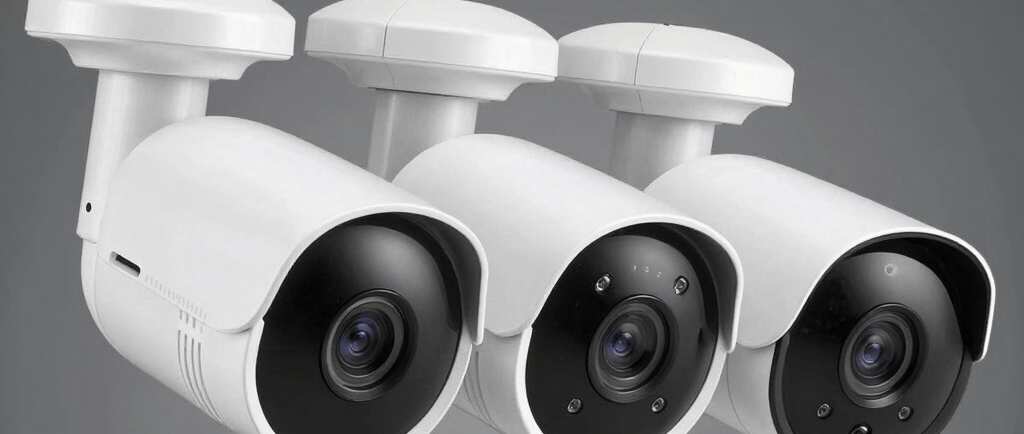
In recent years, the advancement of surveillance technology has led to the emergence of AI IP cameras, which are revolutionizing the way security is managed across various sectors. Unlike traditional security cameras that primarily capture and store video footage, AI IP cameras leverage artificial intelligence to analyze, interpret, and respond to live video feeds in real time. This integration of AI significantly enhances surveillance capabilities, providing users with intelligent monitoring solutions.
AI IP cameras differ from their conventional counterparts in several key ways. First, while traditional cameras operate mainly on passive data collection, AI-enabled devices can detect motion, recognize faces, and track objects autonomously. They apply machine learning algorithms to identify situations that may warrant attention, such as unauthorized access or suspicious activity, thereby reducing reliance on human operators. This capability not only improves efficiency but also allows for quicker responses to potential threats.
The significance of integrating artificial intelligence into surveillance systems cannot be overstated. AI IP cameras can process vast amounts of data with high accuracy, allowing for enhanced situational awareness and better decision-making. For instance, in crowded environments such as malls or airports, these cameras can distinguish between different types of activities and prioritize alerts based on threat level. Furthermore, the implementation of deep learning techniques enables AI IP cameras to adapt and improve over time, making them more effective in changing environments.
In conclusion, the rise of AI IP cameras marks a transformative shift in how surveillance is conducted, combining intelligence with technology to create safer, more responsive environments. Their ability to analyze data in real time and provide actionable insights represents a significant leap forward in security monitoring, establishing a new standard in surveillance technology.
Key Features of AI IP Cameras
AI IP cameras have emerged as a game changer in the field of surveillance technology, incorporating a range of features that enhance security monitoring. One of the most notable functionalities is motion detection. This feature allows the camera to detect any movement within its field of view, automatically triggering recording and alerts, thus significantly improving the efficiency of monitoring. Unlike traditional cameras that operate continuously, AI IP cameras can save storage space by recording only when motion is detected.
Another essential feature is facial recognition capability. This technology enables the camera to identify individuals based on their facial features, allowing for real-time alerts upon detecting known or unknown faces. Businesses, for instance, can use this functionality to monitor employee attendance or to identify unauthorized entrants into secure areas. The integration of deep learning algorithms significantly increases the accuracy of facial recognition, minimizing false positives and enhancing security measures.
License plate recognition is yet another advanced feature offered by AI IP cameras. This technology allows the system to capture and analyze license plate numbers in real-time, making it particularly useful for monitoring vehicular access in secure environments such as parking lots or restricted areas. Law enforcement agencies also utilize this feature for tracking stolen vehicles and managing traffic flow.
Furthermore, AI IP cameras boast the ability to analyze patterns within the captured data in real-time. This pattern recognition capability can identify unusual behaviors or anomalies, facilitating proactive security measures. AI analytics help streamline troubleshooting and enable security operators to make informed decisions based on historical data trends. Together, these cutting-edge features represent a substantial leap forward in surveillance technology, transforming how security is managed and maintained.
Benefits of Using AI IP Cameras
AI IP cameras are increasingly becoming a preferred choice in security surveillance, offering a multitude of advantages over conventional cameras. One of the primary benefits is enhanced security. By incorporating advanced algorithms, AI IP cameras can analyze real-time video feeds, enabling them to detect unusual activities and respond to them swiftly. This proactive surveillance capability significantly reduces the chances of unauthorized access and theft, ensuring that premises are consistently monitored.
In addition to improved security, AI IP cameras greatly lessen the dependency on human monitoring. Traditional surveillance systems often require constant human oversight, which can be labor-intensive and prone to errors. AI-powered cameras, on the other hand, can autonomously discern between normal and suspicious behaviors, thereby alerting security personnel only when necessary. This automation streamlines monitoring processes, allowing staff to allocate their time to other critical tasks.
Another notable advantage is the improved accuracy in threat detection. Thanks to machine learning capabilities, AI IP cameras can filter out false alarms caused by minor disturbances, such as animals or environmental changes. By enhancing the precision of threat identification, these cameras thereby reduce the likelihood of unnecessary security breaches and ensure that genuine security threats are addressed promptly. This accuracy is a pivotal factor in enhancing overall safety measures.
Finally, leveraging AI IP cameras proves to be cost-effective in the long run. Although the initial investment might be higher compared to standard cameras, the reduction in manual monitoring costs and enhanced threat detection capabilities lead to significant savings. Moreover, AI cameras tend to require less maintenance and can easily integrate with existing security infrastructure, providing an economical solution that yields substantial benefits in terms of security and efficiency.
Applications of AI IP Cameras
AI IP cameras have emerged as a transformative technology across numerous sectors, enhancing operational efficiency and security. In retail environments, these cameras play a vital role in loss prevention and customer behavior analysis. By utilizing machine learning algorithms, they can identify suspicious activities, track foot traffic patterns, and even optimize product placements based on consumer interactions. This data enables retailers to refine their marketing strategies effectively and improve customer experience.
In the transportation sector, AI IP cameras contribute significantly to traffic management and passenger safety. By analyzing video feeds, these cameras can monitor traffic flow, detect accidents in real-time, and identify unsafe driving behaviors. Furthermore, AI algorithms can assist in recognizing license plates for law enforcement purposes, streamlining the process of tracking stolen vehicles or enforcing traffic regulations. This capability not only enhances public safety but also supports urban planning initiatives by providing critical data on traffic patterns.
Healthcare facilities have also started to adopt AI IP cameras to improve patient care and security. These cameras can monitor patient movements in critical areas, ensuring safety for both patients and staff. They can also be employed to observe compliance with hygiene protocols, especially in surgical and recovery wards. In this way, AI IP cameras contribute to maintaining high standards of care while ensuring a secure environment for medical practitioners.
Public safety is another crucial area where AI IP cameras have made significant impacts. Government agencies utilize them for crowd monitoring during events, improving emergency response times, and managing public spaces. They can identify anomalies, monitor behavior in real-time, and coordinate resources effectively. The integration of AI in surveillance technology enhances community safety and fosters a sense of security among citizens.
Challenges and Limitations
The integration of artificial intelligence (AI) in Internet Protocol (IP) cameras has significantly advanced the realm of surveillance technology; however, this progress is not without challenges and limitations. One of the foremost concerns is related to privacy. AI-powered cameras can analyze and process images in real-time, often identifying individuals without their explicit consent. This capability raises critical questions about personal privacy, especially in public spaces where individuals may expect a degree of anonymity. The potential for invasive surveillance tactics can lead to public backlash and legal challenges, prompting a discussion about the ethical implications of using such technology.
Additionally, data security issues present a significant hurdle for AI IP cameras. These devices generate vast amounts of data, including video feeds that may contain sensitive personal information. If not properly secured, this data could be vulnerable to cyberattacks. Hackers could potentially access surveillance feeds, compromising not just individual privacy but also public safety. The risk of data breaches necessitates robust security protocols, including encryption and regular software updates, to safeguard against unauthorized access.
Furthermore, the potential for misuse of AI IP cameras is another concern. With advanced facial recognition capabilities, there is a risk that these tools might be used for profiling, discrimination, or unlawful surveillance. Such activities not only contravene ethical standards but could also lead to severe legal ramifications for organizations utilizing the technology irresponsibly. The balance between enhancing security and protecting individual rights presents a formidable challenge that necessitates ongoing scrutiny and regulation within the field of surveillance technology.
Future Trends in AI IP Cameras
The evolution of technology continues to reshape various sectors, and the surveillance industry is no exception. AI IP cameras are at the forefront of this transformation, showcasing impressive advancements that promise to redefine security practices in the near future. One trend gaining traction is the integration of advanced analytics capabilities into these systems. By leveraging machine learning algorithms, AI IP cameras will not only capture footage but also analyze data in real-time. This has significant implications for threat detection and response efficiency.
Another anticipated trend is the enhancement of image resolution and video quality. As 5G technology becomes more widespread, AI IP cameras will benefit from faster data transmission speeds. The result will be higher resolution images with clearer details, enabling accurate identification even at great distances. Furthermore, the incorporation of low-light technology will allow these cameras to function effectively in various lighting conditions, ensuring round-the-clock surveillance.
Moreover, there is a growing emphasis on user privacy and ethical considerations in AI surveillance. Future AI IP cameras will likely incorporate features that prioritize data protection, such as robust encryption protocols and options for selective recording. This evolution will not only promote consumer trust but also comply with legal guidelines regarding data usage and privacy rights.
Additionally, there will be a shift towards more autonomous systems. AI IP cameras may integrate with other smart devices, enabling a seamless security network that can respond dynamically to threats. Such interconnected systems can enhance situational awareness by sharing real-time information across various platforms. In essence, the future of AI IP cameras appears promising, with innovations that will further improve surveillance capabilities while addressing privacy concerns and enhancing overall security efficiency.
Conclusion: The Future of Surveillance with AI Technology
The integration of artificial intelligence (AI) into IP cameras has fundamentally changed the landscape of surveillance technology. Throughout this blog post, we have explored the various advancements that AI has introduced, including enhanced facial recognition, improved object detection, and the ability to analyze video feeds in real time. These capabilities not only increase the operational efficiency of surveillance systems but also enhance their effectiveness in responding to incidents as they occur.
Moreover, AI-driven surveillance systems provide numerous benefits for security applications across various sectors, from public safety in urban environments to loss prevention in retail. As these technologies evolve, they continue to showcase the potential for AI to improve security measures while also raising questions regarding privacy and ethics. The increased reliance on machine learning and data analytics prompts a need for responsible implementation and regulations that safeguard individual rights.
Despite the promising advancements, the future of surveillance with AI technology does not come without challenges. Issues such as biased algorithms, data security vulnerabilities, and the potential for misuse of information remain critical discussions within this sphere. It is imperative that stakeholders—including policymakers, developers, and end users—collaborate to address these concerns proactively.
In conclusion, the rise of AI IP cameras signifies a pivotal moment in the evolution of surveillance technology. By prioritizing ethical considerations and ensuring responsible application, we can harness the transformative power of AI to create safer environments while maintaining respect for privacy. As we move forward, the balance between innovation and responsibility will be crucial in shaping the future of surveillance systems in our society.