The Rise of AI CCTV Cameras: Enhancing Security and Surveillance
AI Expert Editorial Team
4/8/20267 min read
Introduction to AI CCTV Cameras
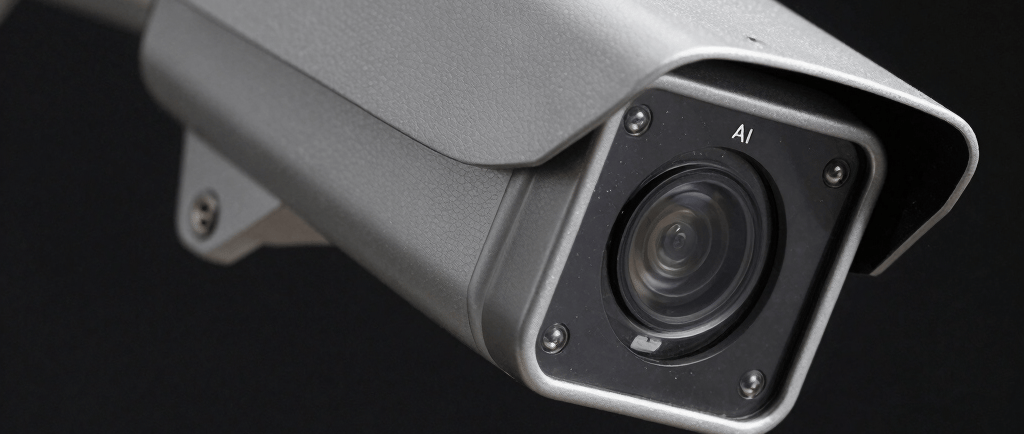
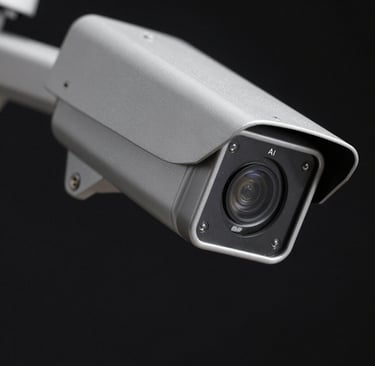
Artificial Intelligence (AI) has permeated various sectors, and security is no exception. AI CCTV cameras represent a significant evolution from traditional closed-circuit television systems. Unlike basic cameras that merely record footage, AI-enabled systems utilize machine learning algorithms to analyze video data in real time. This capacity to process and interpret visual information sets AI CCTV cameras apart from their conventional counterparts.
Traditional CCTV systems typically have a passive role in security, relying on human operators to monitor feeds and identify any suspicious activity. In contrast, AI CCTV cameras are designed to detect patterns, recognize faces, and even classify objects. With the ability to distinguish between potential threats and normal activities, these advanced systems significantly reduce the volume of footage that human operators need to scrutinize. This proactive approach enhances efficiency and response times in various security contexts, from commercial settings to public areas.
The technological underpinnings of AI CCTV cameras involve sophisticated neural networks trained on vast datasets. These systems continuously learn and adapt to their environments. For example, a well-functioning AI CCTV camera can improve its accuracy over time by refining its algorithms based on what it observes. The implications of this technology reach beyond just enhanced surveillance; they also encompass privacy considerations, data security, and ethical implications that require careful consideration. As AI continues to evolve, so too will the capabilities and responsibilities of AI CCTV systems.
Key Features of AI CCTV Cameras
AI CCTV cameras have revolutionized the landscape of surveillance and security with a suite of advanced features that significantly enhance monitoring capabilities. One of the primary features is motion detection, which allows these cameras to identify and respond to movement in their field of view. Unlike traditional cameras that continuously record, AI-driven cameras use algorithms to discern between usual activities and potentially suspicious movements, ensuring that alerts are only triggered by significant events. This not only conserves storage space but also reduces the time required for reviewing footage.
Facial recognition technology is another hallmark of AI CCTV cameras. By utilizing machine learning, these systems can analyze and identify faces from a database, increasing the effectiveness of security measures. This feature is particularly useful in commercial settings, such as retail environments, where recognizing known individuals can help prevent theft and enhance overall safety. Additionally, facial recognition can be employed to track unauthorized individuals entering a property, thus providing an added layer of security.
Real-time analytics further elevate the capabilities of AI CCTV cameras. By processing video feeds instantly, these cameras can assess various parameters, such as crowd density or unusual behavior patterns, facilitating quicker responses to potential threats. Institutions can benefit significantly from this feature, utilizing it for crowd management during large events or monitoring access points to restrict entry to authorized personnel only.
The integration of these advanced features not only bolsters security for residential and commercial properties but also underscores the importance of technology in modern surveillance systems. AI CCTV cameras are rapidly becoming essential components of comprehensive security strategies, providing enhanced monitoring and peace of mind for property owners.
Benefits of Using AI CCTV Cameras
The integration of AI technology in CCTV cameras has revolutionized the realms of security and surveillance, presenting numerous advantages over traditional systems. One significant benefit is the improved accuracy of threat detection. AI-powered cameras utilize machine learning algorithms to analyze video feeds in real-time, allowing them to differentiate between ordinary activities, such as pets or vehicles, and suspicious behaviors. This enhanced accuracy significantly reduces false alarms, which can be a recurring issue with standard security systems. As a result, security personnel are more capable of responding effectively to genuine threats rather than being burdened by frequent, unwarranted alerts.
Moreover, AI CCTV cameras provide valuable decision-making support for security teams. By leveraging advanced analytics, these smart systems can offer actionable insights, helping personnel assess situations swiftly and respond aptly. For example, when an AI camera detects a potential security breach, it can immediately notify the operators, providing them with live footage and analytics to facilitate informed responses. This not only boosts the effectiveness of security operations but also enhances overall situational awareness.
Another crucial aspect of AI CCTV cameras is their cost-effectiveness over time. While the initial investment may be higher than conventional camera systems, the long-term savings are noteworthy. By minimizing false alarms and improving operational efficiency, organizations can substantially decrease the amount spent on unnecessary security responses. Furthermore, the enhanced capabilities of AI cameras allow for less manpower to be required for monitoring, translating into additional savings on labor costs.
Ultimately, the deployment of AI CCTV cameras enhances security measures through increased accuracy, better decision-making support, and long-term cost-effectiveness. As technology advances, embracing such systems will likely become essential for maintaining robust security protocols.
Challenges and Limitations of AI CCTV Cameras
As AI CCTV cameras gain popularity for their potential to enhance security and surveillance, it is crucial to consider the challenges and limitations they bring. One significant concern lies in the realm of privacy. AI-powered surveillance systems have the capability to analyze and recognize individual faces, which raises ethical questions regarding consent and the potential for unwarranted surveillance. Citizens may feel anxious knowing they are being constantly monitored, which can lead to a public backlash against such technologies.
Another pressing issue is data security. AI CCTV cameras generate vast amounts of data, from video recordings to facial recognition information. This data is often stored in centralized systems, making it a prime target for cyberattacks. Malicious actors could exploit vulnerabilities in these systems, leading to unauthorized access to sensitive information. As such, ensuring robust cybersecurity measures is paramount to safeguard the data collected by these systems.
The financial implications of implementing AI CCTV technology should not be overlooked either. The initial costs associated with purchasing and installing advanced surveillance systems can be significant, particularly for smaller businesses or organizations. Additionally, there are ongoing expenses related to maintaining and updating the technology, as well as training personnel to utilize the systems effectively. These economic factors could impede the widespread adoption of AI CCTV cameras in certain communities.
In conclusion, while AI CCTV cameras offer numerous benefits for enhancing security, they also present challenges that require careful consideration. Privacy concerns, data security issues, and high implementation costs are critical factors that must be addressed to foster a responsible approach to AI surveillance technology.
Comparing AI CCTV Cameras to Traditional Systems
The evolution of security technology has led to the development of AI CCTV cameras, which offer enhanced capabilities compared to traditional surveillance systems. While both serve fundamental purposes of monitoring and ensuring safety, they differ significantly in functionality and effectiveness.
One of the most notable advantages of AI CCTV cameras is their ability to process and analyze video data in real time. These advanced systems utilize machine learning algorithms that enable them to detect unusual behavior or recognize faces, thus generating automatic alerts for potential threats. In contrast, traditional CCTV cameras typically rely on manual monitoring, where human operators must continuously observe several feeds, leading to potential lapses in surveillance.
AI cameras can also incorporate features such as object classification and motion prediction, which further enhance surveillance efficiency. Such functionalities allow them to accurately distinguish between people, vehicles, or animals, significantly reducing false alarms. Traditional systems, on the other hand, may trigger alerts based on movement alone, resulting in unnecessary responses and wasted resources.
Moreover, the smart integration of AI CCTV cameras with existing security systems fosters a holistic security approach. For example, these cameras can be connected to alarm systems, access controls, and other IoT devices, creating a unified interface for security management. Traditional systems often lack this level of integration, making it more challenging to respond decisively to security incidents.
Nevertheless, traditional CCTV systems still hold value in certain contexts. They are often more affordable and easier to install than their AI counterparts. Additionally, well-placed traditional cameras can be highly effective in providing a visible deterrent against criminal activity. Therefore, while AI CCTV technology significantly enhances surveillance capabilities, traditional systems remain relevant, particularly for budget-conscious users or for specific applications where simplicity is preferred.
Future Trends in AI CCTV Technology
The future of AI CCTV technology is poised for transformative advancements that are set to redefine security and surveillance systems. A prominent trend is the enhancement of machine learning algorithms. These algorithms will continue to evolve, enabling AI-equipped cameras to analyze vast amounts of data more efficiently. As machine learning models become more sophisticated, we can anticipate improvements in facial recognition accuracy, anomaly detection, and predictive analytics, allowing for preemptive action in potential security breaches.
Integration with other smart technologies is another anticipated trend in the realm of AI CCTV. As the Internet of Things (IoT) expands, AI CCTV systems will seamlessly operate alongside other connected devices such as smart home systems, alarm systems, and even autonomous drones. This convergence will facilitate more comprehensive surveillance solutions, where data from various devices can be analyzed collectively, leading to richer insights and heightened security responses.
The evolving regulatory landscape will also significantly impact the future of AI CCTV technologies. With increased awareness of privacy rights and data protection, regulations are likely to become more stringent. Compliance requirements may drive innovation in how footage is stored, analyzed, and shared. Companies may focus more on developing transparent AI systems that ensure ethical usage of surveillance data, while also addressing public concerns regarding privacy and data security.
Additionally, advancements in cloud computing will enable more extensive and centralized storage solutions, facilitating easier access to surveillance data while enhancing security measures against unauthorized access. Overall, the integration of these trends will undoubtedly shape a future where AI CCTV systems not only provide enhanced security but also foster greater trust through ethical practices.
Conclusion
The integration of AI CCTV cameras into security systems has marked a significant advancement in surveillance technology. These intelligent systems not only enhance the capability of traditional monitoring but also introduce features such as real-time analytics, facial recognition, and anomaly detection. As highlighted throughout this blog post, AI CCTV cameras are proving to be beneficial across various sectors, including retail, public safety, and corporate environments. Their capacity to assess and interpret data quickly empowers security personnel to respond effectively, thereby reducing response times and increasing overall safety.
Moreover, the adaptability of AI CCTV systems allows them to continuously learn and improve from the environment they monitor, thus detecting potential threats with greater accuracy. This innovation fosters a proactive approach to risk management, moving away from the reactive measures often associated with traditional surveillance methods. As organizations increasingly recognize the importance of robust security measures, the shift towards intelligent surveillance solutions continues to gain momentum.
As we navigate a rapidly evolving technological landscape, it is essential for individuals and organizations to stay informed about advancements in AI CCTV technology. Understanding these developments not only helps in leveraging their full capabilities but also aids in addressing potential concerns, such as privacy issues and ethical implications. Overall, the rise of AI CCTV cameras is reshaping how security is approached in our society, ultimately leading to safer environments for all.