The Rise of AI Cameras in Business: Revolutionizing Security and Efficiency
AI Expert Editorial Team
4/8/20268 min read
Introduction to AI Cameras in Business
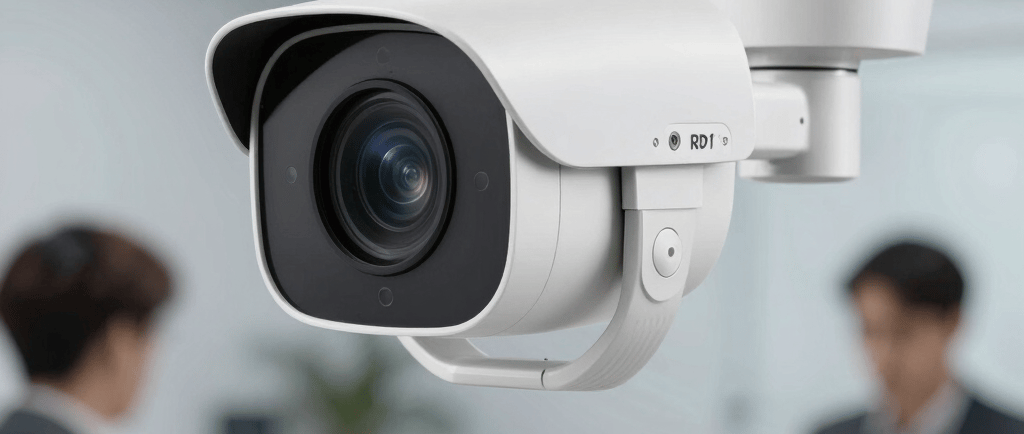
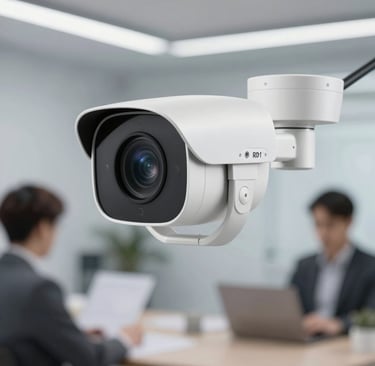
Artificial Intelligence (AI) cameras represent a significant advancement in surveillance technology, particularly within the business sector. These devices integrate machine learning algorithms and analytical capabilities within traditional camera systems, enabling them to perform functions beyond mere image capture. AI cameras can recognize faces, detect unusual behavior, and analyze patterns, making them essential tools for enhancing security and operational efficiency in various industries.
The rapid adoption of AI cameras aligns with the broader shift toward smart technology in business operations. Organizations increasingly prioritize the implementation of advanced technologies to foster a safe and efficient working environment. This shift is driven by the need to protect assets, ensure employee safety, and mitigate potential threats. AI cameras offer a comprehensive solution, combining surveillance and data analysis to enhance decision-making processes.
Businesses are drawn to AI cameras for several primary reasons. First, they provide real-time monitoring capabilities that assist in immediate threat detection, enabling swift responses to incidents. Second, the analytical features of these cameras can lead to valuable insights, helping businesses to improve operational efficiency by identifying workflow bottlenecks or areas requiring enhancement. Furthermore, AI cameras can integrate seamlessly with existing security systems, allowing companies to leverage their prior investments while benefiting from state-of-the-art technology.
As businesses navigate the complexities of modern security challenges, the role of AI cameras continues to expand. These systems not only bolster safety measures but also streamline operations, thereby contributing to sustained competitive advantages. The growing significance of AI cameras in business underscores the necessity for organizations to embrace innovative solutions that address both security and efficiency needs.
Benefits of AI Cameras for Businesses
The integration of AI cameras into business operations offers numerous advantages, enhancing both security and operational efficiency. One of the most significant benefits is the enhancement of security through real-time monitoring and alerts. AI cameras utilize advanced video analytics to detect suspicious behavior or anomalies, allowing businesses to respond promptly to potential security threats. For instance, a retail store equipped with AI cameras can receive immediate alerts if unusual activity, such as shoplifting, is detected, significantly reducing the risk of theft.
Moreover, businesses experience notable cost savings through the implementation of AI surveillance systems. According to recent studies, organizations have reported reductions in theft and loss by over 30% after installing AI cameras. These savings can be reinvested into the business for further growth and development. Additionally, the reliance on AI for monitoring tasks minimizes the need for extensive manual oversight, allowing employees to focus on their core duties, therefore enhancing productivity.
Operational efficiency is substantially improved through the analytics capabilities of AI cameras. These systems can collect valuable data on customer behavior and staff productivity, enabling businesses to optimize layout, staffing, and inventory management. For example, a restaurant utilizing AI cameras can analyze peak hours and customer preferences, allowing for better resource allocation and improved customer service.
The role of AI in automating video surveillance tasks cannot be understated. Traditional surveillance systems require continuous human monitoring, which is often inefficient and prone to error. AI cameras can autonomously review footage, identifying key incidents while storing vast amounts of data with ease. As a result, businesses not only save on labor costs but also ensure a higher standard of monitoring quality.
Key Features to Look for in AI Cameras
When businesses consider implementing AI cameras, several key features become critical in selecting the most suitable options. High-resolution imaging is paramount, as it ensures that images captured by the camera are clear and detailed. This feature is especially important for identifying faces, license plates, or other significant details, enhancing overall security measures.
Another vital capability is night vision. AI cameras equipped with advanced night vision technology provide reliable surveillance during low-light conditions. This feature allows for continuous monitoring, ensuring businesses maintain security at all times, regardless of the day or night cycle.
Facial recognition technology has emerged as a noteworthy advancement within AI cameras. This feature grants businesses the ability to identify individuals entering and exiting their premises, enabling a more personalized approach to security. Moreover, it supports various applications such as access control and monitoring of suspicious activities.
Integrating AI cameras with existing security systems is also an essential criterion. Businesses often have established protocols and systems in place; therefore, choosing cameras that can seamlessly integrate with these setups can lead to a more comprehensive and effective security strategy. Compatibility ensures that the addition of AI cameras enhances existing measures without causing disruption.
Finally, the availability of cloud storage options is crucial for businesses looking for scalable, secure, and easy access to video footage. Cloud storage capabilities allow users to store extensive amounts of footage without relying on physical hardware, providing flexibility and reliability in data management.
Incorporating these key features will help organizations make informed decisions when selecting AI cameras tailored to their specific security needs and operational requirements.
How AI Cameras Improve Retail Operations
In recent years, AI cameras have emerged as essential tools in enhancing retail operations. Retailers are increasingly harnessing the power of artificial intelligence to monitor customer behavior and optimize inventory management. AI cameras equipped with advanced analytics capabilities provide retailers with valuable insights into shopping patterns, enabling them to tailor their offerings effectively. For instance, by analyzing foot traffic and dwell times in specific areas of a store, businesses can gain a clearer understanding of customer preferences and make data-driven decisions regarding product placements and promotions.
Moreover, the application of AI cameras plays a pivotal role in addressing the issue of shrinkage—loss of inventory due to theft or administrative errors. By employing intelligent surveillance systems, retailers can monitor suspicious activities in real-time and implement preventive strategies. The precision of AI algorithms allows for immediate alerts, thereby enhancing the security of the store. This proactive approach not only mitigates losses but also fosters a secure shopping environment, which ultimately builds customer trust.
AI cameras also significantly improve the overall shopping experience by integrating video analytics that offer actionable insights. Retailers can evaluate the performance of various store layouts and adjust them based on customer flow and engagement levels. Further, the ability to personalize shopping experiences through targeted promotions based on captured data allows for improved customer satisfaction. This strategic implementation of AI technology in retail operations optimizes efficiency, supports inventory management, and ultimately drives sales. Retailers who embrace AI cameras are not only enhancing their operational capabilities but are also leading the charge in creating more seamless and enjoyable customer interactions.
The Role of AI Cameras in Workplace Safety
AI cameras have emerged as a significant technological advancement in enhancing workplace safety. These intelligent systems utilize advanced technologies such as machine learning and real-time data analysis to monitor safety compliance, identify potential hazards, and ensure the well-being of employees. By implementing AI camera systems, businesses can proactively prevent accidents and create a secure environment for their workforce.
One of the primary advantages of AI cameras is their ability to monitor employee behavior and adherence to safety protocols. For instance, in manufacturing settings, AI cameras can detect whether workers are correctly wearing personal protective equipment (PPE) such as helmets and safety goggles. If a worker is spotted without appropriate gear, an immediate notification can alert supervisors, enabling prompt corrective action. Such proactive measures can significantly reduce risks of injuries and enhance compliance with safety regulations.
Additionally, AI cameras facilitate real-time surveillance and data collection that can be invaluable for incident investigations. Consider a scenario where an accident occurs on the factory floor. With AI camera footage, safety managers can review the incident to determine its cause, identify involved parties, and reinforce training or policy adjustments to prevent future occurrences. This capability not only helps in mitigating risks but also supports businesses in satisfying regulatory compliance and liability concerns.
Several organizations have successfully harnessed AI cameras to enhance workplace safety. For example, a construction company implemented AI-driven surveillance at their worksites, resulting in a substantial decrease in incidents related to equipment misuse and employee negligence. The deployment of these cameras enabled management to conduct more effective training sessions based on real-world scenarios observed by the AI system.
In conclusion, AI cameras represent a transformative force in workplace safety, offering comprehensive monitoring and the capability to address safety compliance proactively. As businesses continue to adapt to new technological advancements, the integration of AI cameras will likely play a critical role in fostering a safer work environment.
Challenges and Considerations in Implementing AI Cameras
As businesses increasingly adopt AI camera technology to enhance security and operational efficiency, several challenges arise that need to be addressed. One of the foremost issues is the concern surrounding privacy. The ability of AI cameras to continuously monitor and record individuals can lead to significant apprehension among employees and customers alike, fearing that their personal information and activities may be unduly scrutinized. Businesses must navigate these concerns by ensuring transparent communication about the purpose of surveillance and how the data will be used.
Data security represents another critical consideration when implementing AI cameras. These devices collect vast amounts of sensitive data, making them potential targets for cyberattacks. Businesses must invest in robust cybersecurity measures to protect this data, including encryption protocols and access controls. Regular security audits and updates are necessary to mitigate vulnerabilities that could compromise the integrity of surveillance systems.
Additionally, a reliable internet infrastructure is essential for the effective functioning of AI cameras. Many AI camera systems rely on cloud processing for analysis and storage, which necessitates a stable, high-speed internet connection. Companies may need to assess their current infrastructure and invest in upgrading their internet capabilities to accommodate the demands of AI technology.
Furthermore, the legal implications of surveillance cannot be overlooked. As laws regarding data protection and privacy vary significantly by region, businesses must familiarize themselves with local regulations to avoid legal repercussions. Consultation with legal experts may be necessary to ensure compliance with applicable laws.
To successfully navigate these challenges, enterprises should establish clear policies regarding the use and management of AI camera technology, provide training for employees on privacy and security protocols, and invest in advanced security measures to safeguard data integrity. By proactively addressing these considerations, businesses can leverage AI cameras effectively while minimizing potential risks.
Future Trends in AI Camera Technology for Businesses
The landscape of AI camera technology is rapidly evolving, with numerous advancements expected to influence how businesses operate in the near future. One significant trend is the enhancement of machine learning algorithms. These algorithms are becoming increasingly sophisticated, allowing AI cameras to not only identify and recognize patterns but also to adapt and learn from new data. This capability enables businesses to utilize AI cameras for more complex tasks, such as facial recognition, behavior analysis, and anomaly detection, resulting in improved security measures.
Another promising development is the seamless integration of AI cameras with the Internet of Things (IoT) devices. This integration allows for a more comprehensive security infrastructure, where AI cameras can communicate with other smart devices and systems. For instance, an AI camera can alert connected alarms or access control systems when unauthorized activity is detected, enhancing real-time response capabilities. This interoperability will enable businesses to create a more cohesive and efficient operational environment.
Predictive analytics capabilities are also expected to become a focal point in AI camera technology. By analyzing historical data and real-time inputs, these systems can provide foresights on potential security breaches or operational inefficiencies. Businesses can harness these insights to implement proactive measures, thereby reducing risks and optimizing resource allocation.
Furthermore, as the usage of AI cameras increases, there will likely be shifts in regulatory frameworks surrounding surveillance practices. Businesses will need to navigate these evolving regulations to ensure compliance while leveraging AI technology's advantages. This adapting landscape will necessitate a balanced approach that promotes safety without compromising individual privacy.
In summary, the future of AI camera technology holds promising trends that can enhance business operations significantly. With advancements in machine learning, IoT integration, predictive analytics, and regulatory adaptation, organizations can expect transformative changes that improve both security and operational efficiency.