The Power of AI Cameras: Revolutionizing Visual Analysis
AI Expert Editorial Team
4/6/20268 min read
Introduction to AI Cameras and Their Technology
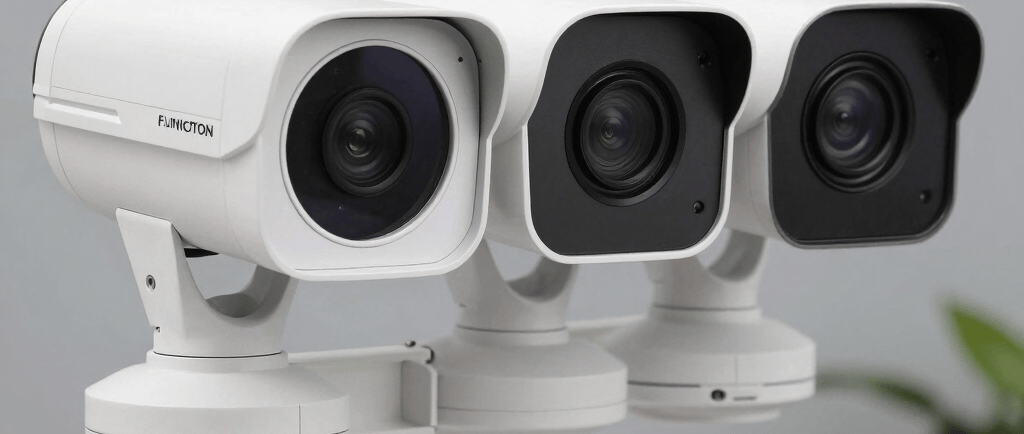
AI cameras represent a significant advancement in imaging technology, integrating artificial intelligence to enhance their functionality and effectiveness. These cameras are not merely sophisticated recording devices; they utilize a combination of high-quality sensors and advanced processing algorithms to analyze visual data in real-time. The primary aim of AI cameras is to improve the way we capture, interpret, and utilize visual information across various domains, including surveillance, healthcare, and retail.
The core components of an AI camera include an image sensor that captures light and converts it into electronic signals, alongside a processing unit where complex algorithms operate. These algorithms enable the camera to perform tasks such as object detection, facial recognition, and scene analysis. Over the years, the evolution of AI cameras has been marked by the increasing application of deep learning techniques, which allow these devices to learn and adapt through experience, improving their accuracy and efficiency.
Initially, traditional cameras relied on simple image processing techniques, which often lacked the sophistication to interpret the context of the captured scenes effectively. However, with advancements in machine learning and neural networks, AI cameras have transformed the landscape of visual analysis by identifying patterns and anomalies that human observers might overlook. This capability is particularly valuable in security settings, where rapid response times and precise identification can significantly impact safety outcomes.
In conclusion, the advent of AI cameras signifies a pivotal moment in imaging technology, characterized by their ability to not only capture images but also comprehend and react to their surroundings intelligently. This intersection of optics and artificial intelligence continues to evolve, promising innovative applications and enhanced operational effectiveness in numerous fields.
Object Detection Capabilities of AI Cameras
AI cameras have significantly enhanced object detection capabilities, owing to advancements in machine learning and computer vision algorithms. These technologies enable cameras to analyze and interpret visual data with remarkable accuracy. By employing complex neural networks, AI cameras can effectively identify various objects within their field of view, distinguishing between them based on size, shape, color, and other distinguishing features. This efficiency in processing visual information is revolutionizing various sectors, highlighting the essential role of AI in modern surveillance and operational systems.
One prominent application of AI cameras is in traffic monitoring. These cameras can detect vehicles, pedestrians, and even bicycles, thereby displaying real-time data on traffic conditions. By leveraging AI algorithms, traffic management systems can dynamically adjust signals, ensuring smooth vehicle flow and enhancing safety for pedestrians. The ability to automatically recognize and categorize various objects allows for swift decision-making processes, making roadways safer and more efficient.
Another significant application is in retail analytics, where AI cameras are employed to understand customer behavior better. These systems can track foot traffic, analyze customer interactions with products, and even determine demographic data such as age and gender. By processing this information, retailers can optimize store layout and inventory management, leading to improved sales and customer satisfaction. The insights garnered from AI-driven object detection equip businesses with the knowledge necessary to make informed decisions that align with consumer preferences.
Overall, the object detection capabilities of AI cameras are not only enhancing security but also providing invaluable insights across various industries. The integration of AI technologies continues to transform how organizations approach visual analysis, marking a significant departure from traditional methods.
Enhancing Image Quality with AI
Artificial Intelligence (AI) has significantly transformed the realm of visual analysis, particularly in enhancing image quality. AI cameras leverage intelligent algorithms to manipulate and refine images, ensuring they meet the highest standards of clarity and definition. One of the most notable advancements in this area is noise reduction, which minimizes unwanted visual distortions caused by low light or high ISO settings. Traditional noise reduction techniques often lead to the loss of detail; however, AI models can discern noise from the actual image content more effectively, thereby preserving crucial details while removing imperfections.
Another critical feature that AI cameras provide is image stabilization. This technology mitigates the effects of camera shake, resulting in sharper, clearer images and smoother video recordings. Especially beneficial in professional photography and videography, AI-driven stabilization systems analyze motion patterns in real time, allowing for adjustments that preserve the integrity of the visual experience. This capability is paramount in dynamic environments, such as during action shots or when capturing fast-moving subjects.
AI cameras also excel in automatic adjustments to lighting conditions. Advanced algorithms assess the current lighting and dynamically tweak settings such as exposure and white balance. This real-time adaptation ensures optimal image quality regardless of environmental challenges. The importance of these enhancements cannot be overstated; in professional photography and video production, having reliable and high-quality imagery is essential for creating compelling narratives. Additionally, in fields such as surveillance, the ability to produce clear images in various lighting scenarios can be crucial for security and monitoring purposes.
In conclusion, the integration of AI technology in cameras greatly enhances image quality through sophisticated methods including noise reduction, image stabilization, and automatic lighting adjustments. These developments not only bolster the capabilities of professionals in visual fields but also elevate the overall user experience.
AI Cameras in Security Applications
The integration of AI cameras into security applications has profoundly transformed the way monitoring and surveillance are conducted. These advanced systems utilize artificial intelligence to enhance security measures through real-time monitoring and analysis, significantly improving crime prevention efforts and responding to potential threats.
One of the primary benefits of AI cameras is their ability to analyze video footage in real time, enabling quicker identification of suspicious activities. Instead of relying solely on human operators who may overlook critical details, AI technology can detect abnormal behaviors, allowing security personnel to intervene promptly. This capability is especially vital in urban environments where the likelihood of crime can increase in densely populated areas. Cities outfitted with AI camera systems have reported significant reductions in crime rates, illustrating the technology's effectiveness in enhancing public safety.
Moreover, AI cameras contribute to site security in corporate settings. These systems can monitor restricted areas, ensuring that access is granted only to authorized personnel. For example, a corporate office utilizing an AI camera found that unauthorized access attempts decreased by over 40% due to the system's advanced facial recognition and behavioral analysis features. This not only prevents potential threats but also fosters a safer work environment, leading to increased employee trust and productivity.
In addition to monitoring, AI cameras play a crucial role in emergency response. By providing security teams with vital real-time data and alerts during incidents, AI cameras ensure that appropriate action can be taken quickly, whether it be calling local law enforcement or deploying emergency services. Successful case studies, such as those executed in schools and public spaces, highlight the growing necessity for AI-driven security solutions in modern society.
Facial Recognition Technology in AI Cameras
The integration of facial recognition technology within AI cameras has ushered in a new era for visual analysis. This technology employs sophisticated algorithms that analyze facial features, allowing AI systems to identify and verify individuals with remarkable accuracy. The underlying principle involves capturing images through advanced optical sensors and then processing this data using machine learning techniques to recognize and differentiate between faces.
One of the primary applications of facial recognition technology is in the realm of security. Many organizations, including law enforcement agencies, utilize AI cameras equipped with this technology to enhance public safety. By deploying AI cameras in public spaces, authorities can quickly identify individuals involved in criminal activities or missing person cases. Furthermore, AI-driven facial recognition systems can facilitate access control, allowing only authorized personnel to enter secure locations.
In addition to security applications, facial recognition technology is transforming personalization in retail and service industries. Businesses can leverage this technology to enhance customer experiences by tailoring services and promotions based on recognized identities. For example, a retail store may employ AI cameras to identify returning customers and offer personalized shopping experiences. However, the benefits of this technology also raise significant ethical considerations.
Concerns around privacy and surveillance have sparked a critical discourse on the ethical implications of facial recognition technology. Issues related to consent, data security, and potential misuse of information are at the forefront of public scrutiny. Moreover, regulatory challenges arise as governments and institutions seek to balance the advantages of AI cameras with the need to protect individual rights. As the landscape of facial recognition technology evolves, ongoing dialogue surrounding its ethical use and the establishment of regulations will be crucial to ensure that its benefits are harnessed responsibly.
Automating Monitoring and Analytics
Artificial Intelligence (AI) cameras are increasingly transforming the landscape of monitoring processes across various industries. These advanced systems leverage cutting-edge technology to automate the surveillance and analytics functions, providing businesses with significant benefits. One of the primary advantages of AI cameras is their capability to deliver real-time alerts when specific criteria are met. For instance, in retail environments, AI cameras can instantly detect unusual activities, such as theft or crowd congestion, allowing for immediate response from security personnel. This swift action ensures enhanced safety and mitigates potential losses.
Moreover, AI-powered cameras facilitate the collection and analysis of vast amounts of data with unparalleled efficiency. They utilize advanced algorithms to sift through video feeds and identify patterns or anomalies that would be nearly impossible for humans to discern in real time. This data-driven approach not only enhances the understanding of customer behavior in retail settings but also optimizes operational workflows in manufacturing environments. By evaluating how processes are conducted, organizations can pinpoint inefficiencies and implement improvements, ultimately leading to increased productivity.
The automation provided by AI cameras extends to reporting as well. Traditional monitoring methods often require extensive manual documentation, which can be time-consuming and prone to human error. With AI, businesses can generate comprehensive reports automatically based on the analytical data collected by the cameras. This capability allows organizations to have better insights into their operations without the administrative burden, freeing up resources to focus on core business functions.
In summary, the integration of AI cameras in monitoring processes not only streamlines operations but also improves the efficiency of businesses and organizations. Through automated real-time alerts, data analysis, and simplified reporting, AI cameras are revolutionizing how visual analysis is conducted, paving the way for enhanced decision-making and operational excellence.
Conclusion: The Future of AI Cameras
The evolution of AI cameras represents a significant leap forward in the capabilities of visual analysis technologies. These advanced devices are not only improving surveillance efficiency but are also transforming how various industries approach tasks ranging from security monitoring to healthcare diagnostics. As AI cameras become increasingly integrated into daily operations, their potential to enhance productivity is evident. The advancements in machine learning algorithms allow these cameras to analyze vast amounts of data in real-time, contributing to faster decision-making processes.
Emerging trends in this field suggest that AI cameras will continue to evolve, becoming even more sophisticated and adaptable. Developments such as enhanced facial recognition systems, behavior prediction models, and the capability to analyze emotions through subtle visual cues are some anticipated advancements. These technological innovations will likely make AI cameras an indispensable tool across numerous sectors, including retail, law enforcement, and urban planning.
However, the integration of AI surveillance technology into everyday life also raises several ethical and societal challenges. Concerns regarding privacy, data security, and the potential for bias in AI algorithms are prominent discussions that must be addressed as these cameras become more widespread. Ensuring that AI cameras are used responsibly and transparently is crucial to gaining public trust. Policymakers, developers, and users will need to collaborate in establishing guidelines that maximize the benefits of AI cameras while minimizing intrusive practices.
In conclusion, the future of AI cameras holds immense potential for innovation and efficiency. By addressing the challenges that accompany this technological advancement, society can harness the power of AI cameras in a way that is both beneficial and ethical. As we look toward the horizon, it is essential to remain vigilant about the implications of these technologies on our daily lives and the broader societal landscape.