The Future of Home Security: AI-Driven Cameras
AI Expert Editorial Team
4/7/20268 min read
Introduction to AI Home Security Cameras
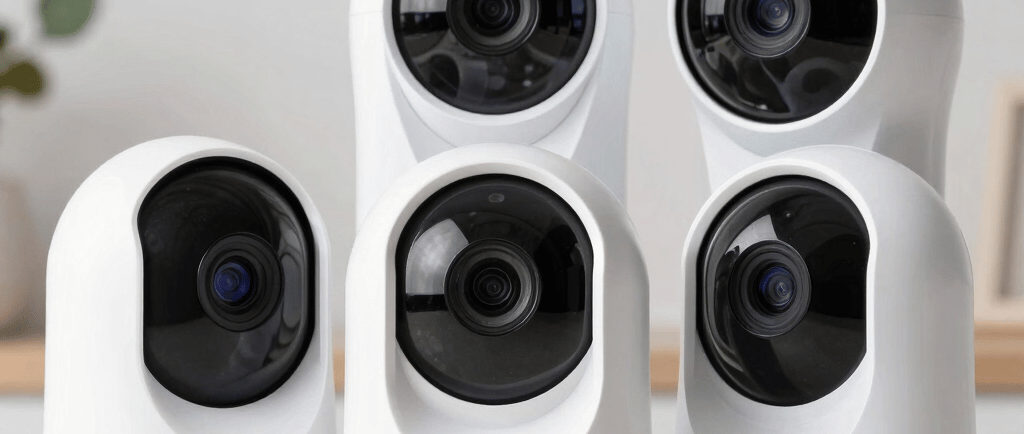
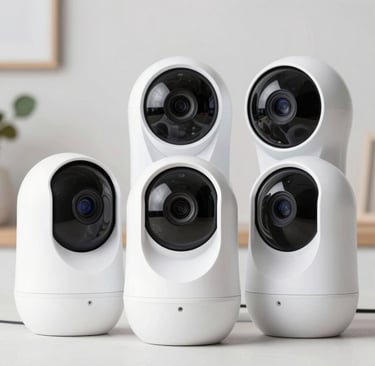
As the realm of home security evolves, artificial intelligence (AI) is playing a transformative role, particularly through the development of AI-driven home security cameras. These innovative devices integrate advanced technologies that significantly enhance the functionality and reliability of traditional security cameras. Unlike conventional models that merely record video, AI home security cameras offer features such as motion detection, facial recognition, and intelligent alerts, making them essential tools for modern homeowners aiming to bolster their security systems.
The rise in popularity of AI home security cameras can be attributed to their ability to provide real-time insights and improved response capabilities. With integrated AI algorithms, these cameras can analyze video feeds and distinguish between ordinary movements like pets or family members and potential threats. This selective monitoring reduces the number of false alarms while ensuring that genuine security risks are promptly highlighted, thus providing peace of mind to homeowners.
Another significant advantage of AI home security cameras is their capacity for seamless integration with smart home systems. Homeowners can connect these cameras to applications for smartphones or tablets, enabling them to access live feeds, receive alerts, and even control various aspects of their home security from anywhere in the world. In this regard, AI technology not only augments traditional security measures but also enhances user experience through convenience and accessibility.
Moreover, the adoption of AI-driven cameras is becoming increasingly cost-effective as technology advances. With a variety of options available that cater to different needs and budgets, homeowners are finding it easier than ever to improve their security infrastructure. In summary, AI home security cameras represent a significant leap forward in protecting homes, making them a valuable addition to any security system.
Key Features of AI Home Security Cameras
AI home security cameras are equipped with advanced features that set them apart from traditional non-AI models. One of the most notable features is facial recognition, which allows the camera to identify familiar faces and differentiate them from strangers. This capability enhances security by reducing false alarms triggered by known individuals, such as family members or friends. The integration of facial recognition technology not only improves security but also provides users with insights about who is entering their property.
Another significant feature of AI-driven cameras is motion detection. Unlike standard cameras that may record continuously, AI cameras utilize sophisticated algorithms to detect and interpret movement, focusing on relevant activities. This intelligent motion detection minimizes unnecessary recordings and alerts, only notifying users of genuine security concerns. Additionally, these devices often come equipped with activity tracking, which monitors and logs various movements over time, providing valuable data regarding unusual patterns or repeated incidents.
Real-time alerts are another crucial aspect of AI home security cameras. When suspicious activity is detected, these cameras can immediately notify homeowners via smartphone notifications or app alerts. This rapid response capability allows property owners to take swift action in emergency situations. Furthermore, the smart integration of AI cameras with other home automation systems is a defining feature of modern home security. Homeowners can connect these cameras with smart locks, lights, and alarms, creating an interconnected network that enhances overall security effectiveness. This synergy not only improves response times but also facilitates a more efficient use of resources to ensure a secure living environment.
Benefits of Using AI Home Security Cameras
In recent years, AI home security cameras have gained prominence as crucial components of residential security systems. One of the primary benefits of utilizing these smart cameras is the improved efficiency of surveillance. Traditional security cameras often rely on constant monitoring or manual reviewing of footage, which can be time-consuming and ineffectual. In contrast, AI-driven cameras utilize advanced algorithms and machine learning capabilities to analyze video feeds in real time. This technology allows for the immediate identification of unusual activities, thereby enhancing the overall effectiveness of surveillance.
Moreover, AI home security cameras significantly reduce false alarms. Many traditional security systems are prone to triggering alerts due to non-threatening events, such as passing cars or animals. AI cameras, however, are designed to differentiate between genuine threats and benign occurrences. By decreasing the number of false alarms, homeowners can better allocate their attention to real issues, ensuring a heightened sense of safety without the constant interruption of irrelevant notifications.
Another notable advantage is enhanced accessibility through mobile applications. Most AI security camera systems allow homeowners to access live feeds and recorded footage through their smartphones or tablets. This feature enables users to monitor their property from virtually anywhere, providing peace of mind while they are away from home. With remote access capabilities, families can receive alerts instantaneously, allowing for prompt responses to security concerns.
Lastly, incorporating AI-driven cameras can lead to potential cost savings. Homeowners often benefit from reduced insurance premiums because the presence of sophisticated security measures demonstrates proactive risk management to insurers. This reduction in costs, combined with the numerous benefits of improved surveillance and reduced false alarms, emphasizes the value of incorporating AI home security cameras into any modern home security system.
Comparing AI Home Security Cameras to Traditional Security Systems
In recent years, the landscape of home security has undergone significant transformation, primarily due to the integration of artificial intelligence (AI) in surveillance technology. AI home security cameras stand in stark contrast to traditional security systems, offering features that address the complexities of modern security needs.
One of the primary advantages of AI-driven cameras is their ability to learn and adapt to their environment. Unlike traditional systems, which often rely on static programming, AI cameras utilize machine learning algorithms to differentiate between everyday activities and potential security threats. This capability results in fewer false alarms and a more streamlined user experience. The intuitive nature of these cameras allows for real-time monitoring and alerts, enhancing the homeowner's responsiveness to unusual events.
Installation and maintenance also differ significantly between these two systems. Traditional security systems can require extensive wiring and professional installation that may incur substantial costs. In contrast, many AI home security cameras are designed for easy installation, often using wireless technology to eliminate the need for complex setups. This flexibility allows homeowners to place cameras in optimal locations without the hassle of managing cables.
However, some disadvantages exist with AI-driven systems as well. The reliance on internet connectivity for functionality raises concerns about cybersecurity risks. Furthermore, the initial investment for AI cameras may be higher than traditional systems, which could deter some consumers. On the other hand, the long-term benefits—such as lower monitoring fees and enhanced security features—can outweigh these initial costs.
Ultimately, the choice between AI home security cameras and traditional systems hinges on individual needs and preferences. While traditional systems may appeal to those seeking simplicity, AI advancements present an opportunity to implement a more robust and responsive security solution. Understanding the pros and cons of each system is essential for making an informed decision.
Privacy Concerns and Ethical Considerations
The integration of artificial intelligence (AI) in home security systems, particularly AI-driven cameras, has revolutionized the way individuals monitor their properties. However, this advancement brings forth significant privacy concerns and ethical implications that warrant attention. One of the primary issues revolves around data security. AI cameras continuously collect vast amounts of data, including video footage of individuals, which raises questions about how this information is stored, used, and secured. Vulnerabilities in data storage can lead to unauthorized access, resulting in potential misuse of sensitive footage.
Furthermore, the reliance on surveillance technology introduces a sense of watchfulness that can infringe upon personal privacy. Homeowners might feel at ease knowing their properties are monitored, but the omnipresence of such cameras can create an atmosphere of constant surveillance. This shift in perception can lead to anxiety and discomfort, as individuals may feel they are being watched, even within their own homes. The ethical implications extend beyond personal feelings, as the normalization of surveillance could pave the way for broader societal acceptance of intrusive monitoring.
Facial recognition technology, often integrated into AI security systems, exacerbates these concerns. While it can enhance security by identifying known individuals or spotting intruders, it also raises ethical questions regarding consent and discrimination. The accuracy of facial recognition systems is not infallible; numerous incidents have captured the technology misidentifying individuals, leading to potential wrongful accusations or consequences. Additionally, the use and potential abuse of such technology by various entities, including law enforcement, heighten the risk of false profiling based on race or ethnicity, fostering inequality in surveillance practices.
Overall, while AI-driven home security cameras offer enhanced safety and convenience, they also necessitate a careful examination of the associated privacy and ethical dilemmas that arise in our increasingly monitored world.
Future Trends in AI Home Security Technology
The advancements in AI home security technology represent a significant shift in how we monitor and protect our living spaces. Emerging trends hint at a future where enhanced security systems seamlessly integrate with our everyday lives. One of the most notable developments is the refinement of machine learning algorithms. As these algorithms evolve, they will enable security cameras to learn from their environment more efficiently, distinguishing between normal activities and potential threats with greater accuracy.
Moreover, the integration of AI-driven home security cameras with smart home ecosystems is poised to create a more coordinated security approach. As devices such as smart locks, lights, and alarms become interconnected, they can communicate effectively to provide a holistic security solution. For example, when an AI camera detects unusual motion, it can automatically trigger smart lights to turn on, dissuading potential intruders and alerting homeowners simultaneously.
In addition, future AI security technologies could feature enhanced facial recognition capabilities, allowing systems to identify familiar faces while alerting homeowners to the presence of unknown individuals. This could be complemented by advancements in data encryption, ensuring that video feeds and personal information remain secure from cyber threats.
Furthermore, there may be new functionalities that incorporate real-time analytics and predictive modeling, enabling systems to anticipate potential security breaches based on behavioral patterns observed over time. This proactive rather than reactive security paradigm could substantially improve home safety.
Ultimately, as AI technology continues to advance, we can expect home security systems to evolve into more responsive and intelligent solutions, enhancing overall safety and granting peace of mind to homeowners. The combination of machine learning advancements, integration with smart devices, and innovative features showcases the promising potential of AI in reshaping the future of home security.
Final Thoughts: Is AI Home Security Right for You?
As we advance into an era characterized by the rise of artificial intelligence, the potential of AI-driven home security cameras stands out as a significant innovation. These systems are capable of learning from their environment, adapting their functionalities to meet specific security needs, and providing users with real-time insights about their homes. However, determining whether AI home security is the right choice for you involves considering multiple factors that align with your individual lifestyle and requirements.
First and foremost, evaluating your specific security needs is critical. Do you live in a high-crime area or a neighborhood with low crime rates? Your location can heavily influence the kind of security system that might be necessary. AI-driven cameras offer intelligent features such as facial recognition, motion detection, and the ability to distinguish between different types of movement, making them suitable for many situations. However, their effectiveness largely depends on the environment they are deployed in.
Additionally, it is essential to assess your comfort level with technology. AI home security systems are generally user-friendly, yet they do require a basic understanding of the digital interface and smart home integrations. If you embrace technology and are open to managing alerts and notifications via an app on your smartphone or device, AI cameras may serve you well. Conversely, if you prefer simpler systems that do not require frequent interaction or monitoring, other traditional alternatives may be more in line with your preferences.
Moreover, consider your budget and the long-term financial implications of these systems. While AI-driven cameras can be more costly upfront, their advanced features may potentially reduce the likelihood of theft or damage, leading to savings on insurance and recovery costs. Weighing these aspects will help you make a more informed decision about adopting AI technology in your home security strategy.