The Best AI Security Cameras for Your Home: A Comprehensive Guide
AI Expert Editorial Team
4/6/20261 min read
Introduction to AI Security Cameras
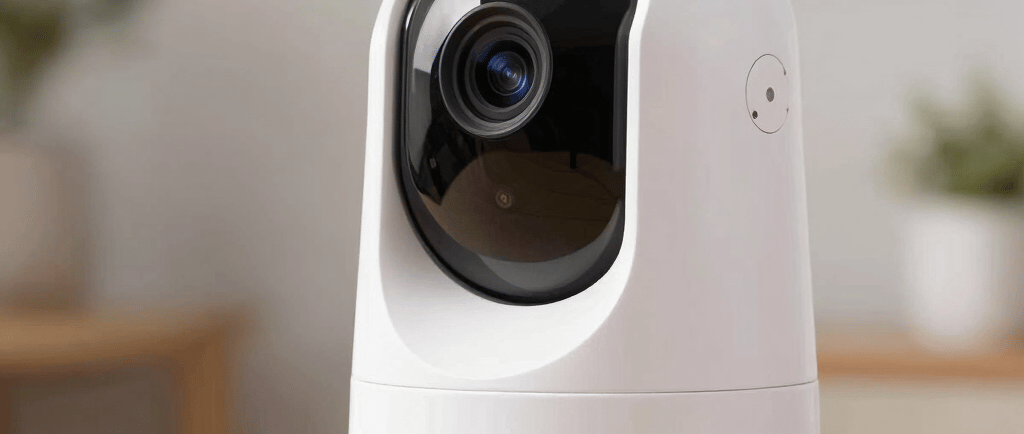
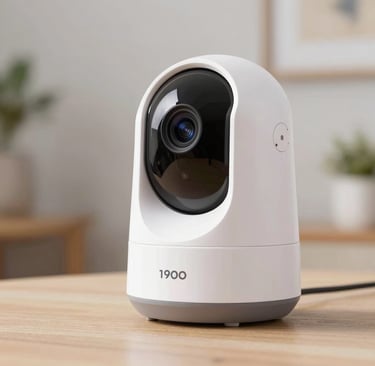
AI security cameras represent a significant advancement in home security technology, effectively transforming how we monitor our living spaces. Unlike traditional security cameras, which primarily focus on recording footage, AI security cameras leverage artificial intelligence to analyze video data in real-time. This innovation facilitates a more proactive approach to security by enabling the camera to discern between normal activity and potential threats.
One of the primary features of AI security cameras is their ability to detect unusual activities. By utilizing advanced algorithms and machine learning capabilities, these cameras can recognize patterns and behaviors that deviate from the norm. For instance, if a person lingers near your property for an extended period or a vehicle enters your driveway during odd hours, the AI can send an alert to your smartphone or other connected devices, allowing for immediate action.
In addition to enhanced detection, these intelligent cameras offer superior image processing capabilities. They often incorporate facial recognition technology, enabling them to categorize faces and even distinguish between familiar individuals and strangers. This further minimizes false alarms, as you can set parameters to ignore familiar faces or notify you only if an unknown person is detected.
Furthermore, AI security cameras often integrate seamlessly with smart home ecosystems, creating a more cohesive security network. This compatibility allows users to control their cameras, receive alerts, and monitor live feeds from their smartphones, all while benefiting from peace of mind. As technology progresses, the functionalities of AI security cameras are expected to expand, promising even greater security advantages for homeowners.
Key Features to Look for in AI Security Cameras
When selecting AI security cameras for your home, several crucial features warrant consideration to ensure optimal effectiveness and reliability. First and foremost, the resolution of the camera significantly impacts the quality of the images captured. High-definition options (1080p or above) provide clearer footage, enabling better identification of faces and details during any security incidents.
The field of view is another essential factor. Cameras with a wider field of view can cover a larger area, potentially reducing the number of cameras required for effective monitoring. A typical range is between 90 to 180 degrees, which can help provide comprehensive surveillance coverage of your property.
Moreover, night vision capability is critical for effective surveillance in low-light conditions. Infrared (IR) night vision allows cameras to capture clear footage in darkness, which can deter intruders and capture evidence when visibility is low.
Two-way audio enhances the functionality of AI security cameras by allowing communication between the homeowner and anyone present in the camera's vicinity. This feature can be particularly beneficial for monitoring deliveries or engaging with visitors without needing to open the door.
Cloud storage options are also worth exploring, as they provide a secure way to save footage and access it remotely. This ensures that important footage remains safe even if the camera is damaged or stolen. Various subscription plans may offer different storage durations and features.
Furthermore, advanced analytics such as facial recognition and motion tracking significantly elevate the utility of AI security cameras. Facial recognition can help identify familiar faces vs. potential intruders, while motion tracking can follow a subject's movement across multiple camera views, thus enhancing real-time awareness and response to potential threats.
Best AI Security Cameras for Home Use
When selecting the best AI security cameras for your home, it is essential to consider their unique features, suitability, and effectiveness. Here, we present a curated list of some of the top models currently available on the market.
1. Nest Cam IQ Indoor
The Nest Cam IQ Indoor is renowned for its facial recognition capabilities, allowing for personalized alerts based on familiar faces. This camera features a 1080p HD resolution, night vision, and a 130-degree field of view. Its advanced processing power enables it to differentiate between a person and a pet. While generally praised for its quality, it does require a subscription for full functionality, which could be a potential drawback for some users.
2. Ring Stick Up Cam Battery
The Ring Stick Up Cam Battery offers flexibility with its wireless design, making it suitable for both indoor and outdoor use. It integrates seamlessly with other Ring devices and supports two-way audio. However, users should be aware that while it excels in ease of installation, its video quality may not match the higher-end competitors in challenging lighting conditions.
3. Arlo Pro 4
Featured as one of the leading outdoor security cameras, the Arlo Pro 4 boasts 2K video resolution and color night vision. This camera is designed to withstand the elements and includes advanced motion detection features. Additionally, it provides users with a free trial of its Arlo Smart subscription, though ongoing fees may apply for full service. Its robust battery life and wireless capabilities make it particularly adaptable for various home setups.
4. Eufy Security 2K Cam
The Eufy Security 2K Cam is an excellent budget option that balances performance and affordability. With its local storage to avoid subscription fees and a wide viewing angle, it is a solid choice for homeowners looking for effective surveillance without ongoing costs. However, it may lack some of the more advanced features found in higher-priced models, which may be a consideration based on individual needs.
Choosing the right AI security camera involves balancing features, usability, and price. Each of these options excels in specific areas, catering to different preferences and home requirements.
Setting Up Your AI Security Camera System
Installing an AI security camera system in your home is a significant step towards enhancing your security. To ensure a successful setup, start by carefully selecting your camera locations. Aim for high-traffic areas such as entryways, driveways, and common spaces. When positioning the cameras, take into account both the field of view and the lighting conditions. Proper placement ensures optimal coverage, enabling your cameras to capture significant activity effectively.
Next, consider the connectivity options available for your AI security cameras. Most modern systems support Wi-Fi connectivity, which simplifies installation greatly. If you choose a wired system, ensure that the needed cables are of sufficient length and protected from potential damage. Additionally, verify your internet speed and bandwidth; a stable connection is crucial for maintaining video quality and effective camera performance.
Once positioned, follow the manufacturer’s instructions to easily connect your devices to the Wi-Fi network or a wired setup. This generally requires downloading the camera's accompanying mobile application, which may guide you through the syncing process. Ensure each camera is powered adequately, whether by battery or direct power supply, as this can significantly affect performance.
After connecting your cameras, test their functionality. Review the live feed to check for blind spots or areas that need additional cameras. This is also a good time to adjust the settings within the app to optimize features such as motion detection alerts and recording schedules. Regularly reviewing the coverage and adjusting as needed will further enhance the effectiveness of your AI security camera system, providing peace of mind and improved household security.
Integrating AI Security Cameras with Smart Home Systems
In recent years, the intersection of artificial intelligence and smart home technology has transformed home security systems. AI security cameras, known for their advanced capabilities, can seamlessly integrate into existing smart home ecosystems, enhancing both security and convenience.
When considering the integration of AI security cameras, compatibility with smart hubs plays a critical role. Most modern AI cameras support major smart home platforms such as Amazon Alexa, Google Assistant, and Apple HomeKit. This compatibility allows users to control their cameras with voice commands, receive alerts through smart devices, and even view live feeds on smart displays, ultimately simplifying the user experience. For example, a homeowner can ask their smart speaker to show them the camera feed of their front porch, thereby improving the convenience of real-time monitoring.
Moreover, many AI cameras come with dedicated mobile applications that offer an array of features for managing home security. These apps not only provide access to live video streams but also enable users to manipulate camera settings, share access with family members, and set up customized alerts based on motion detection. Integration with home automation schedules, for instance, allows cameras to act in accordance with homeowners' routines, such as automatically activating when the owner leaves for work or deactivating when they return.
Beyond just integration with smart hubs and mobile apps, AI cameras can also connect with other smart devices, such as door locks and lights. This interconnectedness enhances security further; for instance, if an AI camera detects unusual movement, it can trigger smart lights to turn on, providing instant visibility and possibly deterring potential intruders. Thus, the combination of AI security cameras with smart home systems not only reinforces security measures but also elevates the overall smart living experience.
Privacy and Security Considerations
The advent of AI security cameras has undoubtedly enhanced our ability to monitor and protect our homes. However, alongside these advancements arise significant privacy concerns that users must be cognizant of. With AI-driven technology, the data captured by these cameras is often processed and stored remotely, raising questions regarding data security and user privacy.
One primary concern involves the potential for unauthorized access to recorded footage. AI security cameras can be susceptible to hacking, and if not properly secured, personal data might be compromised. To mitigate these risks, it is essential to follow best practices in securing your devices. For instance, always change the default passwords associated with your cameras and utilize strong, unique passwords. Additionally, consider enabling two-factor authentication when available, which adds an extra layer of protection.
Moreover, ethical implications surrounding the use of AI security cameras must also be considered. While they are designed to enhance security, there remains a fine line between lawful surveillance and invasion of privacy. Homeowners should be vigilant about where cameras are installed. It is advisable to avoid placing cameras in areas where individuals have a reasonable expectation of privacy, such as bathrooms or bedrooms.
Another crucial aspect involves understanding the data policies of the manufacturers. Review their privacy policies to ascertain how collected data is handled. Ensure they comply with relevant data protection laws and understand whether data is shared with third parties. Users should also look for options to store data locally rather than in the cloud, thus minimizing the chances of data breaches.
In conclusion, while AI security cameras represent a significant advancement in home security technology, it is imperative that users remain vigilant about privacy and security considerations. By taking proactive steps to secure devices and being mindful of ethical usage, homeowners can enjoy the benefits of AI without compromising their privacy.
Conclusion and Future Trends in AI Security Cameras
AI security cameras have become an essential component of modern home security systems, providing homeowners with advanced tools to protect their properties. These intelligent devices not only enhance surveillance but also leverage machine learning algorithms to offer insights and alerts that traditional security cameras cannot match. The ongoing integration of artificial intelligence in home security will continue to evolve, delivering increased safety and peace of mind.
As we look towards the future, several trends are likely to shape the landscape of AI security cameras. Firstly, advancements in machine learning and deep learning technologies will significantly improve the detection capabilities of these devices. This means that future AI security cameras may be better equipped to distinguish between regular activities and potential threats, minimizing false alarms and enhancing reliability.
Furthermore, as AI capabilities improve, we can expect more sophisticated features to emerge. Future cameras might integrate facial recognition technology, enabling them to identify familiar faces versus strangers, and thereby increasing security measures. Additionally, innovations in analytics will facilitate personalized security alerts that cater specifically to the homeowner's preferences and routines.
Lastly, the integration of AI security cameras with smart home systems is likely to become more prevalent. This would allow homeowners to control multiple devices seamlessly, enhancing overall home management. By staying informed about these trends, homeowners can make educated decisions regarding their security solutions.
In conclusion, AI security cameras represent a pivotal development in home security. Their continuous evolution promises not only improved functionalities but also a more tailored approach to safeguarding homes. As technology advances, the integration of innovative features will undoubtedly help redefine the standards of home security, offering enhanced protection for families everywhere.