Harnessing the Power of AI in Video Surveillance
AI Expert Editorial Team
4/8/20267 min read
Introduction to AI Video Surveillance
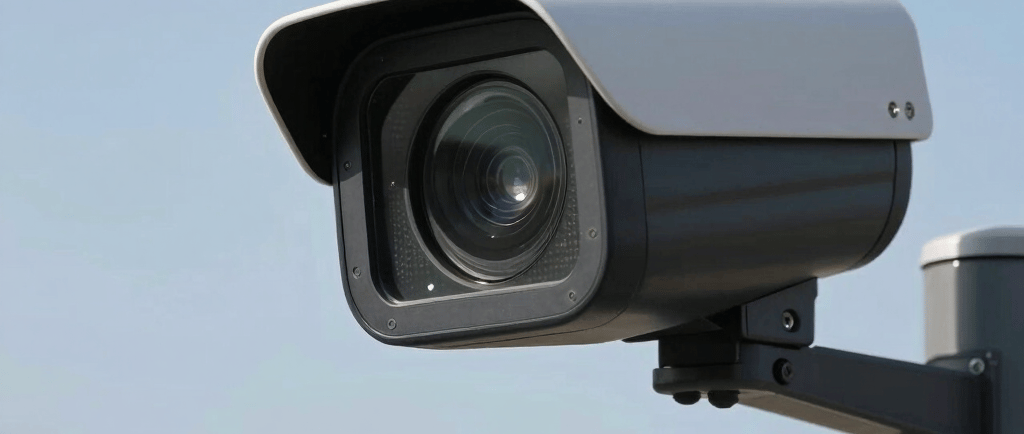
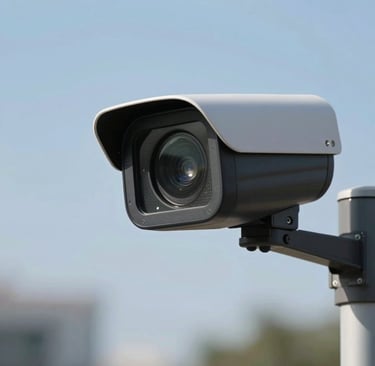
Artificial Intelligence (AI) video surveillance is a transformative approach to monitoring and security that leverages advanced technologies to enhance traditional surveillance systems. Unlike conventional video surveillance, which relies heavily on human operators to monitor and interpret video feeds, AI video surveillance integrates sophisticated algorithms and machine learning techniques to automate the analysis of visual data. This integration enables systems to detect, track, and recognize objects or individuals in real-time, thus reducing the need for constant human oversight.
The fundamental principles of AI video surveillance lie in its capacity to process vast amounts of data quickly and accurately. By employing deep learning models, the system can differentiate between ordinary movements and suspicious activities, allowing for rapid response to potential threats. This level of analysis not only improves the efficiency of surveillance operations but also significantly enhances the accuracy of threat detection. For instance, AI systems can pinpoint unauthorized access or identify specific individuals based on behavioral patterns, an ability that traditional systems often lack.
The growing importance of AI in security and monitoring cannot be overstated. With an increasing array of applications in public safety, retail, and transportation, AI video surveillance is becoming a critical tool for organizations aiming to protect assets and improve safety. The scalability of AI technology also allows organizations of varying sizes to implement customized surveillance solutions tailored to their specific needs, ensuring that security measures evolve alongside emerging threats. In light of these advancements, the transition from conventional systems to AI-driven video surveillance marks a significant shift in the field of security, offering enhanced capabilities to safeguard environments and effectively mitigate risks.
Key Features of AI Video Surveillance Systems
AI video surveillance systems stand out due to their incorporation of cutting-edge technologies that enhance security operations. One of the most significant features is real-time analytics, which allows for instant data processing and immediate insight derivation. This enables security personnel to react swiftly to potential threats and make informed decisions on the spot, significantly reducing response times compared to traditional surveillance methods.
Another pivotal feature is facial recognition. This technology can identify and verify individuals by analyzing facial features against a database of known faces. In settings such as airports and large public venues, facial recognition improves security by flagging individuals who may pose a risk, enhancing the ability to manage crowds and monitor persons of interest effectively.
Object detection is equally vital, allowing AI systems to recognize various items that may be considered unusual or pose security threats. For example, if an object is left unattended in a sensitive area, the system can automatically alert security personnel, allowing a swift investigation. This proactive approach to identifying potential dangers enhances the overall safety of the premises monitored.
Additionally, anomaly detection plays a substantial role in AI video surveillance. This feature utilizes machine learning algorithms to establish a baseline of normal behavior within a monitored area. By continuously analyzing video feeds, the system can detect any deviations from established norms—such as an unexpected gathering of people or unusual movement patterns—triggering alerts for further investigation. This capability not only increases security but also improves operational efficiency as it reduces the number of false alarms, allowing security teams to focus on genuine threats.
Applications of AI Video Surveillance
AI video surveillance has become increasingly vital, transcending traditional security applications and extending into various sectors. It is now an integral component of retail environments, where AI-powered systems analyze customer behavior and traffic patterns. By processing video feeds through advanced algorithms, these systems help identify peak shopping times and monitor product placements, ultimately improving inventory management and enhancing customer experiences.
In transportation, AI video surveillance systems are being utilized to ensure safety and streamline operations. For instance, cities employ AI-enhanced cameras to monitor traffic flow, identify accidents in real-time, and provide actionable insights to control traffic signals. These capabilities not only enhance road safety but also contribute to better urban planning and reduced congestion.
Public safety is another domain where AI video surveillance shows significant promise. Law enforcement agencies are leveraging AI analytics to enhance security in urban areas. For example, facial recognition technology enables authorities to track individuals of interest and respond promptly to potential threats. Moreover, AI can analyze historical data to predict crime hotspots, allowing for more effective resource allocation and strategic patrol planning.
Additionally, the rise of smart cities embodies the convergence of AI video surveillance with urban infrastructure. These cities utilize interconnected sensors and cameras to monitor not just security, but various environmental parameters. AI systems analyze this data to optimize energy usage, manage waste disposal, and enhance public services. The integration of AI into video surveillance systems ensures improved operational efficiency and contributes to a higher quality of urban life.
Benefits of Implementing AI Video Surveillance
Artificial Intelligence (AI) is revolutionizing the field of video surveillance by significantly enhancing traditional monitoring systems. One of the primary advantages of incorporating AI technology in surveillance is the increase in accuracy. AI algorithms can analyze video footage in real-time, distinguishing between ordinary activities and suspicious behaviors with a higher degree of precision. This capability reduces the risk of human error, which has been a common concern in conventional video monitoring.
Another important benefit is the reduction of false alarms. Traditional video surveillance systems are prone to generating numerous alerts due to minor disturbances, such as animals or environmental changes. However, AI-driven video surveillance systems utilize advanced object detection and classification methods to filter out these non-critical events, thereby improving the signal-to-noise ratio. This effectiveness allows security personnel to focus their attention on genuine threats, enhancing overall safety.
Enhanced decision-making capabilities are another compelling reason for organizations to adopt AI video surveillance. By providing actionable insights derived from vast amounts of data, AI systems empower security teams to make informed choices quickly. For instance, AI can automate certain responses, such as alerting authorities or triggering alarms, ensuring timely action in emergencies.
Lastly, implementing AI video surveillance can lead to significant cost-effectiveness. Although the initial investment in AI technology may appear substantial, the long-term savings achieved through reduced personnel costs, improved operational efficiency, and decreased incident costs can outweigh these upfront expenses. Organizations can expect better resource allocation and an overall enhancement in their security infrastructure.
Challenges and Limitations of AI Video Surveillance
AI video surveillance systems hold the promise of enhanced security and more efficient monitoring capabilities. However, several challenges and limitations hinder their widespread implementation. One of the foremost concerns is privacy. The use of AI in surveillance raises significant ethical questions regarding individuals’ rights to privacy. Continuous monitoring through cameras equipped with AI can lead to violations of personal freedoms, as individuals may feel they are constantly being observed. This necessitates a careful balance between safety measures and respecting privacy rights.
Data security is another critical issue associated with AI-based video surveillance. These systems generate massive amounts of data, which can be attractive targets for cybercriminals. Ensuring that this data is securely stored and processed is essential to prevent unauthorized access, data theft, or misuse. Organizations utilizing AI in surveillance must implement strong security protocols and encryption methods to safeguard sensitive information from potential breaches.
Moreover, the potential for bias in AI algorithms poses a significant limitation. AI systems learn from data, and if the input data contains biases, the outcomes can reflect those prejudices, potentially leading to unfair treatment of certain individuals or groups. This can disproportionately affect marginalized communities, raising concerns about discrimination in surveillance practices. It is crucial for developers to ensure that their algorithms are trained on diverse datasets and are regularly audited for fairness.
To mitigate these challenges, organizations need to establish clear policies governing the use of AI in surveillance. Transparency, accountability, and regular assessments of both privacy impacts and data security protocols are necessary strategies. By addressing these key areas, the implementation of AI video surveillance can be achieved in a fair and secure manner, enhancing trust while reaping the benefits of innovative technology.
Future Trends in AI Video Surveillance
As we look to the future, the landscape of AI video surveillance promises to evolve significantly, driven by rapid advancements in technology. One of the primary areas of innovation is machine learning, which continues to refine its algorithms for better accuracy and speed. These enhancements will enable systems to not only recognize faces but also interpret complex behaviors in real-time, allowing security professionals to respond more effectively to potential threats.
Another critical trend is the rise of edge computing. Unlike traditional models that rely on centralized data processing, edge computing allows data to be analyzed closer to where it is generated, thereby reducing latency and bandwidth issues. This shift is particularly vital in video surveillance, where real-time analysis is crucial. With edge computing, video feeds can be processed directly at the camera level, leading to quicker decision-making and responses while ensuring data security and privacy.
Integration with other smart technologies represents another emerging trend in AI video surveillance. As the Internet of Things (IoT) continues to expand, the ability to connect video surveillance systems with other smart devices will enhance security frameworks. This interconnectedness can lead to smarter building management systems, where video monitoring integrates seamlessly with access control and alarm systems, creating a comprehensive security solution.
The combination of these innovations suggests that future video surveillance systems will become increasingly proactive rather than reactive. Predictive analytics, powered by AI, will allow organizations to anticipate incidents before they occur, fundamentally changing the approach to security. The trajectory of AI in video surveillance points toward a more efficient and responsive ecosystem, where technology not only bolsters security but also enhances the overall safety and wellbeing of communities.
Conclusion and Final Thoughts
The integration of artificial intelligence in video surveillance systems represents a significant advancement in enhancing security measures. Throughout this discussion, we have explored how AI technology can improve the accuracy and efficiency of surveillance operations. By employing machine learning algorithms, these systems can analyze vast amounts of video data, enabling real-time detection of suspicious activities and reducing the incidence of false alarms.
Additionally, AI-driven video surveillance solutions enhance human oversight by providing actionable insights that empower security personnel to respond promptly to potential threats. As we have reviewed, features such as facial recognition, behavioral analysis, and anomaly detection are transforming traditional security protocols into more proactive measures, thereby cultivating safer environments in public spaces, workplaces, and residential areas.
However, embracing these technologies also invites a discussion on ethical implications, privacy concerns, and the responsibilities of those deploying AI surveillance systems. Stakeholders must balance the benefits of heightened security with the need to respect individual privacy rights and ensure data protection. Collaboration among technology providers, regulators, and the public is essential to establish guidelines that promote responsible use of AI in video surveillance.
In essence, the potential of AI video surveillance systems to revolutionize security practices is evident. As these technologies continue to evolve, their ability to minimize risks, enhance situational awareness, and facilitate informed decision-making will only grow. By understanding the implications of these advances, we can collectively work towards creating safer environments while safeguarding fundamental rights. As we move forward, let us remain engaged in dialogue surrounding the development and deployment of these transformative technologies.