Exploring AI Cameras with Face Recognition Technology
AI Expert Editorial Team
4/8/20267 min read

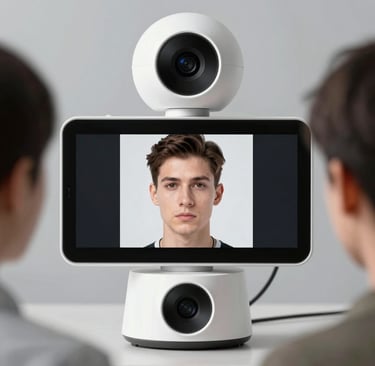
Introduction to AI Cameras
AI cameras, or artificial intelligence cameras, represent a significant advancement in imaging technology, incorporating machine learning and deep learning algorithms to enhance image capture, analysis, and processing. The fundamental purpose of these devices is to not only record visual data but also to interpret it in real-time, enabling a level of automation and intelligence that traditional cameras lack. Unlike their conventional counterparts, which capture images based solely on light sensitivity and exposure settings, AI cameras utilize various algorithms to recognize faces, objects, and scenes.
Over the years, AI cameras have evolved from simple image capture devices into sophisticated tools capable of performing complex tasks. Early models primarily focused on enhancing image quality through noise reduction and optimization techniques. However, the advent of more powerful processing units and machine learning models has propelled AI cameras into a realm where they can learn from data, adapting their functionality based on user behavior and environmental conditions. This evolution has seen them permeate various sectors, including security, retail, and entertainment.
The technology behind AI cameras relies on neural networks, which mimic the human brain's processing methods. These networks consist of interconnected layers of nodes that efficiently analyze visual inputs. This capability allows the camera to conduct face recognition, enabling features such as automatic tagging in photo albums, enhanced security measures, and personalized user experiences. Unlike traditional cameras, which offer limited functionalities, AI cameras can adapt to different contexts, maintaining high performance in varied lighting conditions and identifying objects swiftly.
In summary, AI cameras represent a transformative leap in photography and videography, harnessing the power of artificial intelligence to enrich user interaction and facilitate numerous practical applications. Their ability to learn and adapt makes them exceptionally versatile, marking a considerable shift from the classical concepts of imaging technology.
Understanding Face Recognition Technology
Face recognition technology is an advanced biometric system that identifies and verifies individuals by analyzing their facial features. This technology leverages artificial intelligence (AI) and machine learning algorithms to recognize patterns in facial data and compare it with stored images in a database.
The process of face recognition typically involves several steps. Initially, the camera captures an image of a face, which is then subjected to a feature extraction algorithm. This algorithm identifies distinctive attributes such as the distance between the eyes, the shape of the jawline, and other unique characteristics. Once these features are extracted, they are converted into a mathematical representation known as a face template.
Subsequently, this template is compared against a predefined database using a matching algorithm, often implemented through AI techniques like neural networks. The system analyzes the degree of similarity between the captured image and the images stored in its database, allowing it to accurately identify or verify the individual. Such algorithms are designed to enhance the efficacy of the recognition process, allowing the AI cameras to discern between faces under varying conditions.
The applications of face recognition technology are extensive and diverse. In security, it is utilized in surveillance systems to monitor public spaces and identify potential threats. In the commercial sector, businesses employ this technology for personalized customer experiences, enhancing user engagement. Additionally, face recognition plays a critical role in unlocking devices, facilitating secure access to restricted areas, and even aiding in law enforcement through suspect identification.
In summary, face recognition technology presents a robust solution for security and personalization, capitalizing on the advancements in AI and biometrics. Its wide array of applications underscores its significance in various fields, making it a cornerstone of modern technological innovations.
Benefits of AI Cameras with Face Recognition
AI cameras with face recognition technology have ushered in a new era of security and convenience, making them invaluable in various applications. One of the primary advantages is the improved security surveillance they provide. Organizations and homes equipped with AI cameras can benefit from real-time monitoring and alerts when unauthorized individuals are detected. This heightened level of security can deter potential intrusions, safeguard properties, and ensure the safety of individuals within these environments.
Beyond security, AI cameras enhance user experiences in smart devices. For instance, smart home systems leveraging face recognition can provide personalized interactions tailored to individual preferences. By recognizing familiar faces, these systems can adjust settings such as lighting, temperature, or even media preferences, creating a more comfortable and tailored atmosphere for users.
Furthermore, AI cameras excel in personalized content delivery. By analyzing captured data and recognizing faces, these cameras can curate content that aligns with user identities. This proves especially beneficial in marketing and advertising contexts, where businesses can deliver targeted advertisements based on the demographic profiles of visitors, thereby increasing engagement and conversion rates.
Another significant benefit of face recognition technology is its convenience. Automatic recognition features allow for seamless user experiences across various platforms, whether in retail, banking, or personal device security. No longer do users need to remember passwords or PINs; the simple act of looking at a device can grant access, streamlining daily interactions with technology.
In summary, AI cameras equipped with face recognition technology provide numerous benefits, from enhancing security measures to transforming user experiences and content delivery. Their ability to automatically recognize individuals makes them an essential tool across multiple sectors, ensuring both safety and convenience in a technologically advancing world.
Challenges and Limitations of Face Recognition Technology
Face recognition technology has seen significant advancements, yet it is not without its challenges and limitations. One of the primary concerns is related to privacy. As AI cameras become more ubiquitous, there is an increasing fear regarding the monitoring of individuals without their consent. This concern is magnified in public spaces where large quantities of data can be collected and misused. Consequently, establishing appropriate regulations governing the deployment of these technologies is paramount, as it addresses the potential infringement on individual rights.
Moreover, accuracy remains a critical issue in the application of face recognition technology. Many systems struggle to perform adequately in diverse environments and under varying conditions, such as changing light scenarios or occlusions. This lack of reliability may lead to incorrect identifications, which can result in dire consequences, especially in security-sensitive applications. Furthermore, the algorithms designed for these systems may exhibit biases, which can disproportionately affect specific demographic groups. This issue arises from the datasets used to train the algorithms, often lacking representation across different races and ethnicities.
Alongside these technical challenges, the potential misuse of face recognition technology raises ethical concerns. This technology can be exploited for malicious purposes, including unauthorized surveillance or tracking individuals, thus contributing to a more surveillant society. There is an urgent need for dialogue among stakeholders, including policymakers, technologists, and the general public, to formulate strategies that can mitigate these risks while harnessing the benefits of AI cameras equipped with face recognition capabilities. A balanced approach is necessary to ensure technological advancement does not come at the expense of fundamental rights and societal norms.
Applications of AI Cameras in Various Industries
AI cameras equipped with face recognition technology are increasingly being utilized across a wide range of industries, demonstrating their versatility and effectiveness in enhancing operations and security. One of the primary applications is in the security sector, where these cameras help in monitoring access to buildings and sensitive areas. For instance, many companies now integrate AI-driven facial recognition systems that can identify authorized personnel and alert security teams of any unauthorized access attempts, significantly improving safety protocols.
In the retail industry, AI cameras with facial recognition capabilities are transforming the shopping experience. Retailers can analyze customer data in real-time, allowing them to tailor marketing efforts based on demographic insights. For example, some stores use these cameras to detect frequent shoppers and offer personalized promotions, thus enhancing customer engagement and driving sales. Additionally, loss prevention has seen a marked improvement through the use of these technologies, as businesses can quickly identify potential shoplifters and take immediate action.
The healthcare industry also benefits from AI camera applications, particularly in improving patient monitoring and safety. AI cameras can monitor patient interactions in hospitals and assisted living facilities, ensuring that patients receive timely care. Hospitals employ facial recognition technology to streamline patient admissions and reduce wait times, allowing healthcare providers to focus on delivering quality care. Moreover, AI-enabled cameras can help in tracking staff movements, ensuring that healthcare professionals are present where they are needed most.
Furthermore, the emergence of smart home technologies is another area where AI cameras with facial recognition are making a significant impact. Homeowners can use these advanced systems for enhanced security, allowing personalized access for family members and trusted guests while denying entry to strangers. This not only offers a sense of safety but also enhances convenience, as the system adjusts its responses based on the recognized individual. Overall, the integration of AI cameras with facial recognition across multiple sectors underscores their importance in addressing contemporary challenges and evolving operational needs.
Future of AI Cameras and Face Recognition Technology
The future of AI cameras equipped with face recognition technology appears promising, driven by rapid advancements in artificial intelligence and machine learning algorithms. One of the significant trends is the increased accuracy and speed of these systems. Recent developments have led to enhanced facial recognition capabilities, allowing cameras to identify individuals with remarkable precision, even in diverse lighting conditions and from various angles. As algorithms improve, we can expect AI cameras to operate efficiently in real-time, facilitating applications in security, retail, and access control.
Moreover, the integration of advanced hardware, such as improved sensors and processors, is anticipated to enhance the performance of AI cameras. Future models are likely to feature higher resolution capabilities and faster processing speeds, enabling them to analyze large datasets more swiftly. This evolution will not only improve the quality of face recognition but may also allow AI cameras to learn from their surroundings continuously, adapting to changes in user behavior or environmental conditions.
However, the rapid growth of face recognition technology brings significant ethical and regulatory considerations. As the deployment of AI cameras becomes increasingly widespread, concerns regarding privacy, the potential for misuse, and bias in algorithms are rising. Striking the right balance between innovation and ethics will be crucial. Regulatory frameworks must evolve to address these challenges, ensuring that face recognition technology is used responsibly and that individuals' rights are protected.
Additionally, public perception will play a vital role in shaping the future of AI cameras. As awareness of privacy concerns increases, manufacturers may need to provide transparency regarding their technology's functionality and data handling practices. In conclusion, the future of AI cameras and face recognition technology will likely involve significant technological advancements combined with growing regulatory scrutiny, ensuring a responsible approach to such groundbreaking innovations.