AI Camera Real-Time Alerts: Enhancing Security and Surveillance
AI Expert Editorial Team
4/8/20267 min read
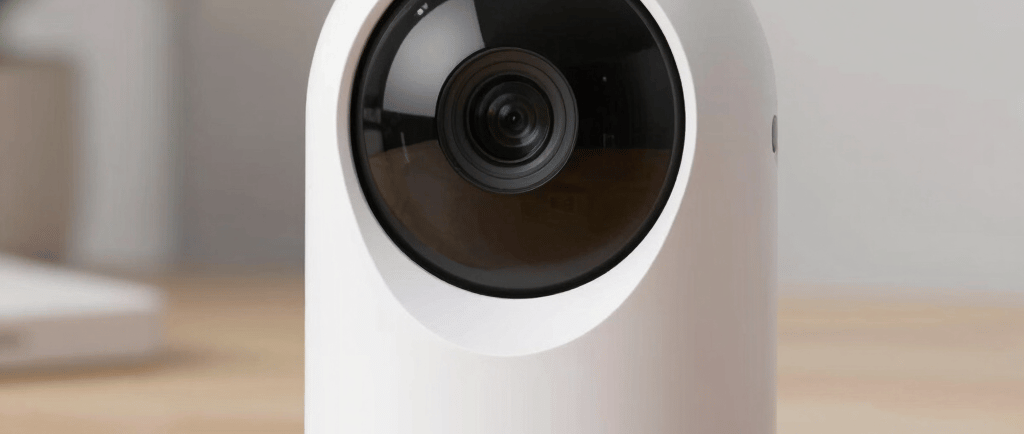
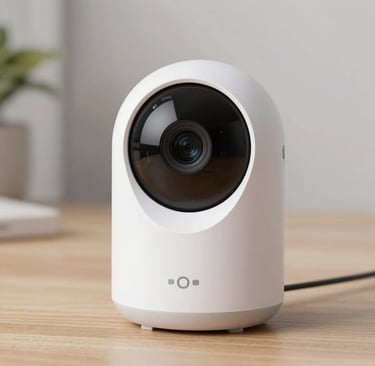
Introduction to AI Cameras and Real-Time Alerts
In recent years, the evolution of surveillance technology has significantly advanced with the integration of artificial intelligence (AI). AI cameras, also known as smart cameras, utilize sophisticated algorithms to process and analyze visual data in real time. Unlike traditional surveillance cameras, which predominantly rely on manual operation and playback review, AI cameras offer enhanced capabilities that automate the monitoring process. This innovation not only improves efficiency in security measures but also ensures faster response times to potential threats.
Real-time alerts are a crucial aspect of AI cameras, serving as immediate notifications sent to security personnel or building managers whenever suspicious activity is detected. These alerts often result from analysis of movement patterns, changes in context, or by identifying specific objects, such as unauthorized individuals or vehicles. The implementation of such immediate feedback mechanisms can prove essential in crisis scenarios, allowing for timely intervention that can prevent incidents from escalating.
The importance of AI cameras with real-time alert systems is increasingly pronounced in today’s security landscape. As urban areas grow and security challenges become more complex, monitoring multiple locations effectively and efficiently has become paramount. These advanced surveillance systems not only provide higher accuracy in threat detection but also reduce the need for constant human oversight. They allow for proactive security measures, thereby enhancing the overall safety of communities, businesses, and private properties alike.
Ultimately, AI cameras equipped with real-time alerts represent a significant advancement in security technology, offering robust solutions that keep pace with the evolving nature of threats faced today. As AI continues to develop, these systems will likely become more intuitive, further revolutionizing surveillance and security practices across various sectors.
How AI Cameras Work
AI cameras represent a significant advancement in security and surveillance technologies, leveraging sophisticated algorithms and image recognition systems to enhance their effectiveness. At the core of these devices is image recognition technology, which allows the camera to process and analyze visual data in real-time. This process is rooted in converting captured images into data points that can be examined by machine learning algorithms.
Machine learning, a subset of artificial intelligence, plays a crucial role in enabling AI cameras to learn from the data they collect. By training on vast datasets that contain thousands of images and identifying patterns, these algorithms become adept at distinguishing between normal activities and suspicious behavior. For instance, they can recognize a person walking through a predefined area versus unauthorized movement in restricted zones.
One of the significant features of AI cameras is their capacity for real-time anomaly detection. Using advanced neural networks, these cameras can alert security personnel instantly when potential threats or unusual activities are detected. This is particularly beneficial in high-security environments where rapid response times are essential. The integration of deep learning techniques further enhances the camera's ability to improve its accuracy over time as it encounters new scenarios.
Moreover, AI cameras utilize contextual understanding to reduce false positives. They analyze additional factors such as time of day, typical activity patterns, and environmental conditions to provide more reliable alerts. As these technologies evolve, the capability of AI cameras continues to expand, offering robust solutions for both residential and commercial security needs. Through the seamless fusion of image recognition and machine learning, AI cameras signify a transformative leap in how surveillance and security systems function.
Benefits of Real-Time Alerts in Security Systems
Implementing real-time alerts in security systems offers numerous advantages, significantly enhancing the effectiveness of monitoring and response capabilities. These alerts provide immediate notifications of incidents, allowing security personnel or homeowners to respond quickly to potential threats. The ability to act in real-time can mean the difference between stopping a crime in progress and dealing with its aftermath. When an alert is triggered, whether by motion detection, unauthorized access, or tampering with surveillance equipment, personnel can address the situation promptly, often deterring criminal activity before it escalates.
Another notable benefit is the increased efficiency of surveillance operations. Real-time alerts ensure that security resources are allocated effectively by notifying operators only when significant events occur. This targeted monitoring reduces the need for constant watching of live feeds and helps personnel focus on critical incidents, thereby optimizing staffing and minimizing fatigue. Security systems equipped with AI technology are particularly effective, as they can analyze vast amounts of data swiftly, discern normal versus abnormal activities, and filter out false alarms. As a result, these systems decrease the cognitive load on security teams and streamline operational processes.
Furthermore, the presence of real-time alerts serves as a powerful crime deterrent. Knowing that a security system is actively monitoring an area and will notify authorities immediately is often enough to discourage potential offenders. Properties equipped with state-of-the-art technology send a clear message that any suspicious behavior will not be tolerated. This proactive approach to security fosters a safer environment, reducing the likelihood of theft, vandalism, and other criminal activities. Collectively, these benefits illustrate how real-time alerts are transforming the landscape of security systems, contributing significantly to enhanced safety and peace of mind.
Types of Events that Trigger Real-Time Alerts
AI cameras are equipped to enhance security through various mechanisms that trigger real-time alerts, ensuring vigilance in surveillance systems. One of the primary triggers is motion detection. These cameras utilize sophisticated algorithms to monitor motion within their designated field of view. When movement is detected, especially in restricted or unusual areas, the system sends an immediate alert to the owner or monitoring personnel. This feature is particularly useful in areas that require constant surveillance, such as entrances to homes and businesses.
Another significant trigger for real-time alerts is facial recognition. Modern AI cameras employ advanced facial recognition technology to identify individuals as they enter a monitored area. Upon recognizing a person on a watchlist—be it a thief or an ex-employee—the camera automatically creates an alert. This capability not only enhances security but also aids in the effective management of access points by identifying authorized individuals swiftly.
Unusual behavior is yet another critical event that can prompt alerts. AI cameras are designed to analyze patterns of activity within their environment. For instance, if an individual is loitering in a particular spot for an extended period or making repetitive movements that deviate from normal behavior, the system recognizes these anomalies. Triggered by such irregular activities, the camera promptly alerts security personnel, enabling a quicker response to potential threats.
In addition to these scenarios, AI cameras can be integrated with other sensors for comprehensive monitoring. For example, integrating audio detection with visual data can increase the sensitivity of the alert system. This powerful combination allows security systems to remain proactive, providing real-time alerts based on a multitude of stimuli, thus fostering safer environments.
Implementation of AI Camera Systems
To successfully implement AI camera systems, it is essential to consider several key factors including hardware components, software integration, and the overall setup process. Selecting appropriate hardware is paramount, as these systems typically require high-definition cameras capable of capturing detailed video footage. Opting for cameras with built-in AI capabilities often enhances the system's efficiency, allowing real-time analysis of visual data. Furthermore, a reliable power source and network connectivity are crucial for uninterrupted performance.
In addition to selecting suitable hardware, integrating the right software plays a significant role in the implementation process. The chosen software should be capable of processing and analyzing video feeds, allowing for effective object detection and monitoring. Many AI camera systems come with pre-installed software solutions that facilitate this integration, but custom software might be necessary for users with specific requirements. Compatibility with existing security setups and scalability for future expansions should also be considered during this stage.
Once the hardware and software are in place, the setup process must be approached with care. Proper positioning of the cameras is vital to maximize coverage and effectiveness. Areas of high foot traffic, entry points, and vulnerable locations should be prioritized. Moreover, the configuration of alert mechanisms is crucial; this involves setting parameters that define triggers for alerts, such as motion detection or facial recognition. Fine-tuning these settings ensures that the system minimizes false alarms while still promptly notifying users of genuine threats.
In conclusion, the successful implementation of AI camera systems involves a careful selection of hardware and software, meticulous setup, and proper configuration to optimize alert mechanisms. When executed effectively, these systems significantly enhance security and surveillance capabilities.
Common Challenges and Limitations
The integration of AI cameras into security systems presents several notable challenges and limitations that need to be addressed. One of the primary concerns is the rate of false alarms. While AI systems offer enhanced detection capabilities, they are not infallible and can misidentify benign movements or events as threats. This can lead to unnecessary distress for property owners and an inefficient allocation of security resources. The accuracy of alerts generated by AI cameras largely depends on their training data and algorithms. As such, it is crucial for users to understand that while these systems can significantly improve security measures, they also have their limitations.
Privacy concerns surrounding the use of AI cameras are another significant challenge. The capability of cameras to monitor public and private spaces raises legal and ethical questions regarding surveillance and consent. There is a growing apprehension among individuals regarding the extent to which they are being monitored and the potential misuse of collected data by unauthorized parties. Therefore, it is essential for organizations implementing AI camera systems to establish clear privacy policies, ensuring compliance with existing regulations and addressing public concerns.
Furthermore, technological limitations remain a barrier to the widespread adoption of AI cameras. Issues such as hardware compatibility, data storage, and real-time processing capabilities can hinder performance. For instance, cameras require robust network infrastructure to transmit and analyze data, which can be a challenge in areas with limited connectivity. Additionally, the cost of implementing a high-quality AI camera system can be prohibitive for some organizations, raising questions about the return on investment. Overall, understanding these challenges is vital for organizations seeking to enhance their security measures through AI cameras.
Future Trends in AI Cameras and Surveillance Technology
The landscape of security and surveillance technology is rapidly evolving, with AI cameras poised to play a pivotal role in its future. Recent advancements in artificial intelligence have facilitated the development of increasingly sophisticated algorithms capable of recognizing patterns, detecting anomalies, and issuing real-time alerts. As these technologies continue to improve, we can anticipate more robust features in AI cameras, including enhanced facial recognition, object detection, and predictive analytics that can pre-empt security breaches.
Furthermore, the integration of AI cameras with smart home technology represents a significant trend in surveillance innovation. Homeowners can expect seamless connectivity across devices, allowing for centralized control through mobile applications. With AI cameras becoming integral parts of smart homes, users will benefit from personalized notifications and monitoring features that cater to their specific security needs. This interconnectedness not only improves user experience but also enables AI systems to adapt and learn from individual household patterns, enhancing overall security.
However, the rise of AI-driven surveillance technology also raises critical concerns regarding public safety and privacy. As AI cameras become more pervasive in public spaces, their potential for monitoring behavior and tracking individuals could lead to ethical dilemmas. Stakeholders, including policymakers and technology developers, must navigate the fine balance between ensuring safety and safeguarding individual privacy rights. Legislative frameworks may evolve to address these issues, ensuring that advancements in AI cameras do not compromise civil liberties.
In conclusion, the ongoing advancements in AI camera technology are set to reshape the future of security and surveillance systems profoundly. By harnessing the power of artificial intelligence, we can anticipate improved functionalities that enhance safety while prompting necessary discussions about privacy and ethical usage. As we move forward, collaboration between technology developers, regulators, and the public will be essential to realizing the full potential of AI cameras in a manner that respects individual rights.